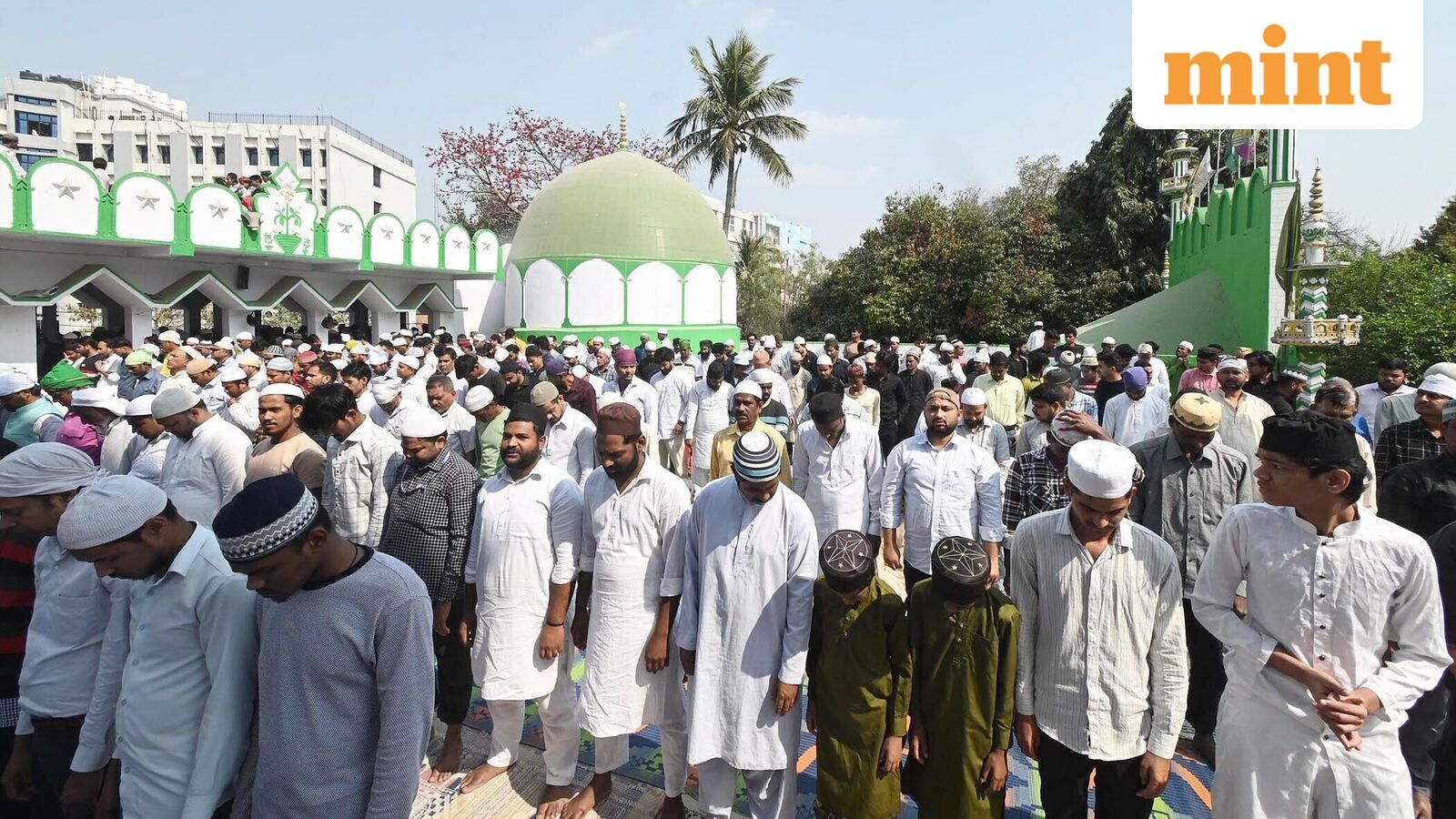
Ramadan 2026: The sacred Islamic month of Ramadan is currently in progress. Because its commencement is strictly governed by the lunar cycle, the crescent moon is typically observed in Gulf nations and Western regions first, while India and neighboring countries generally begin their observance one day later.
In India, Ramadan officially began on Thursday, 19 February, starting a period of prayer and spiritual renewal for Muslims across the country. This traditional start relies on the physical sighting of the new moon, which often results in a slight timing shift between the Middle East and Southern Asia.
Understanding Sehri and Iftar
During the month of Ramadan, Muslims observe a fast from dawn until dusk. Sehri and Iftar are the two essential pillars of the daily fasting routine.
- Sehri: This is the pre-dawn meal consumed before the Fajr (morning) prayer. It serves as the final intake of food and water before the day’s fast begins.
- Iftar: This represents the cornerstone of the daily observance. It is the evening meal used to break the fast immediately after the Maghrib (sunset) prayer.
Because sunset times vary based on geographic location, Iftar and Sehri timings fluctuate across different regions. Specific schedules will differ significantly depending on whether you are located in Delhi, Hyderabad, Kolkata, or Mumbai.
Sehri and Iftaar timings for Saturday, February 28.
Here’s a list of the Sehri and Iftaar timings for various cities for Saturday, February 28:
Delhi – Sehri 05:29 Iftar 06:20 PM
Lucknow – Sehri 05:14 AM, Iftar 06:06 PM
Kolkata– Sehri 4:44 AM, Iftar 5:39 PM
mumbai – Sehri 5:46 AM, Iftar 6:43 PM
Chennai – Sehri 5:15 AM, Iftar 6:17 PM
Bengaluru – Sehri 5:25 AM, Iftar 6:28 PM
kochi – Sehri 5:30 AM, Iftar 6:35 PM
Jaipur – Sehri 5:35 AM, Iftar 6:27 PM
Ahmedabad – Sehri 5:47 AM, Iftar 6:42 PM
Spiritual Significance and Traditions
Muslims honor Ramadan as the most hallowed month in the Islamic calendar. Defined by fasting, deep introspection, and heightened devotion to Allah, this ninth month of the lunar year sees believers worldwide abstain from all food and liquid during daylight hours. This time is dedicated to reciting the Quran and strengthening one’s spiritual foundation.
Fasting, or Sawm, is the fourth pillar of Islam. This practice encourages Muslims to cultivate discipline, gratitude, and empathy for the less fortunate. By sacrificing physical needs during the day, believers commemorate the history of their faith and the spiritual importance of self-restraint.
While fasting is a fundamental Islamic practice, specific exemptions are made for the elderly or those with health complications. Those unable to fast are expected to provide Fidyah (charitable compensation). Additionally, all Muslims are encouraged to practice Zakat and Fitrana, acts of charity that have been central to Ramadan traditions since its earliest days.