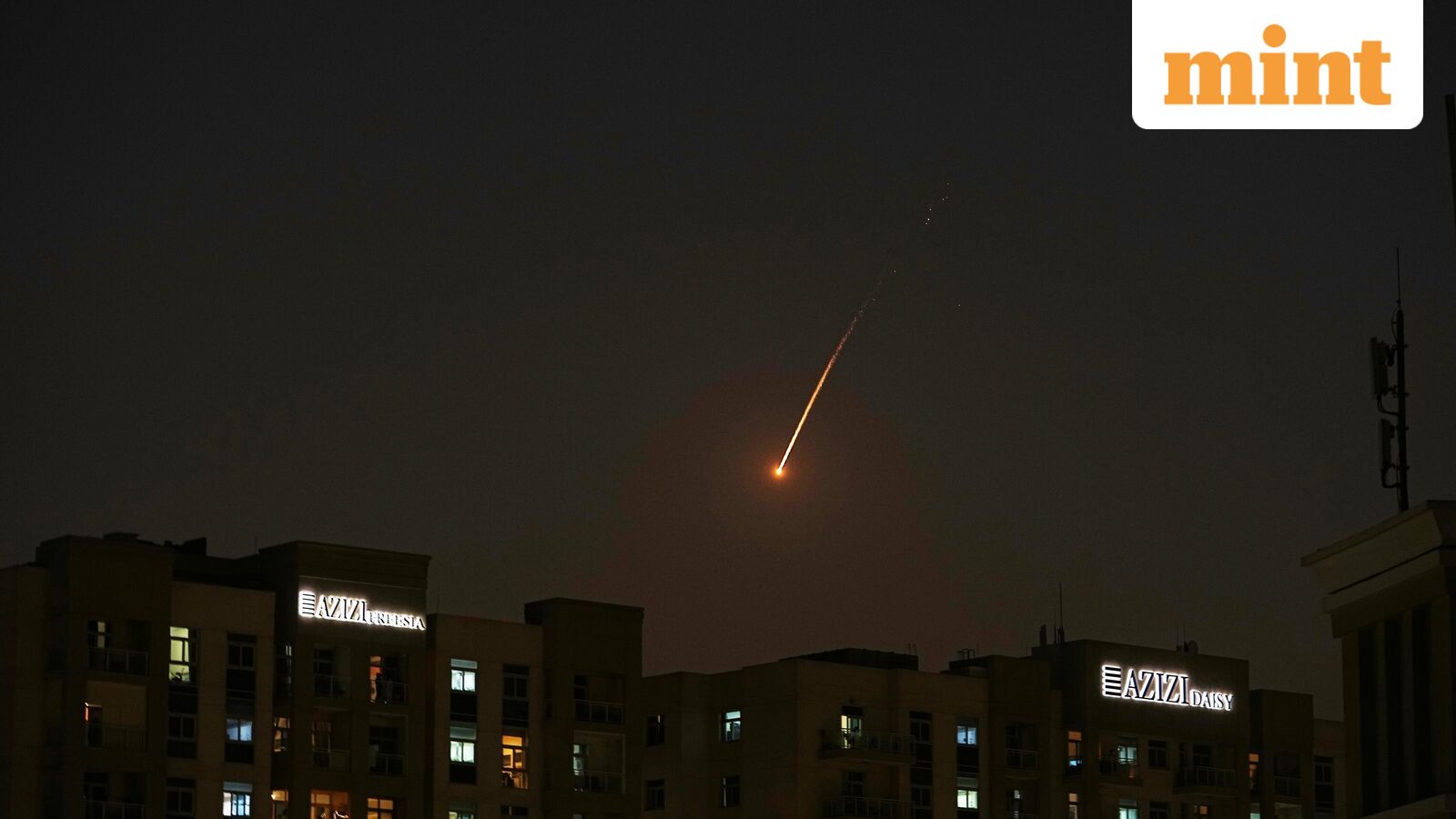
Iran faced widespread criticism from several Muslim-majority countries as well as non-governmental and religious organizations after it carried out retaliatory strikes on US and Israeli military bases located in several Muslim neighboring nations on Saturday, following the US-Israel attacks on Tehran.
The Kingdom of Saudi Arabia said Iran hit Riyadh and its eastern region with strikes, warning it reserved the right to defend itself, including by retaliating.
Saudi Arabia “expressed its strongest condemnation of the blatant and cowardly Iranian attacks targeting the Riyadh and Eastern Province regionswhich were repelled,” the foreign ministry said in a statement.
“In light of this unjustified aggression, the Kingdom affirms that it will take all necessary measures to defend its security and protect its territory, citizens and residents, including with the option of responding to the aggression.”
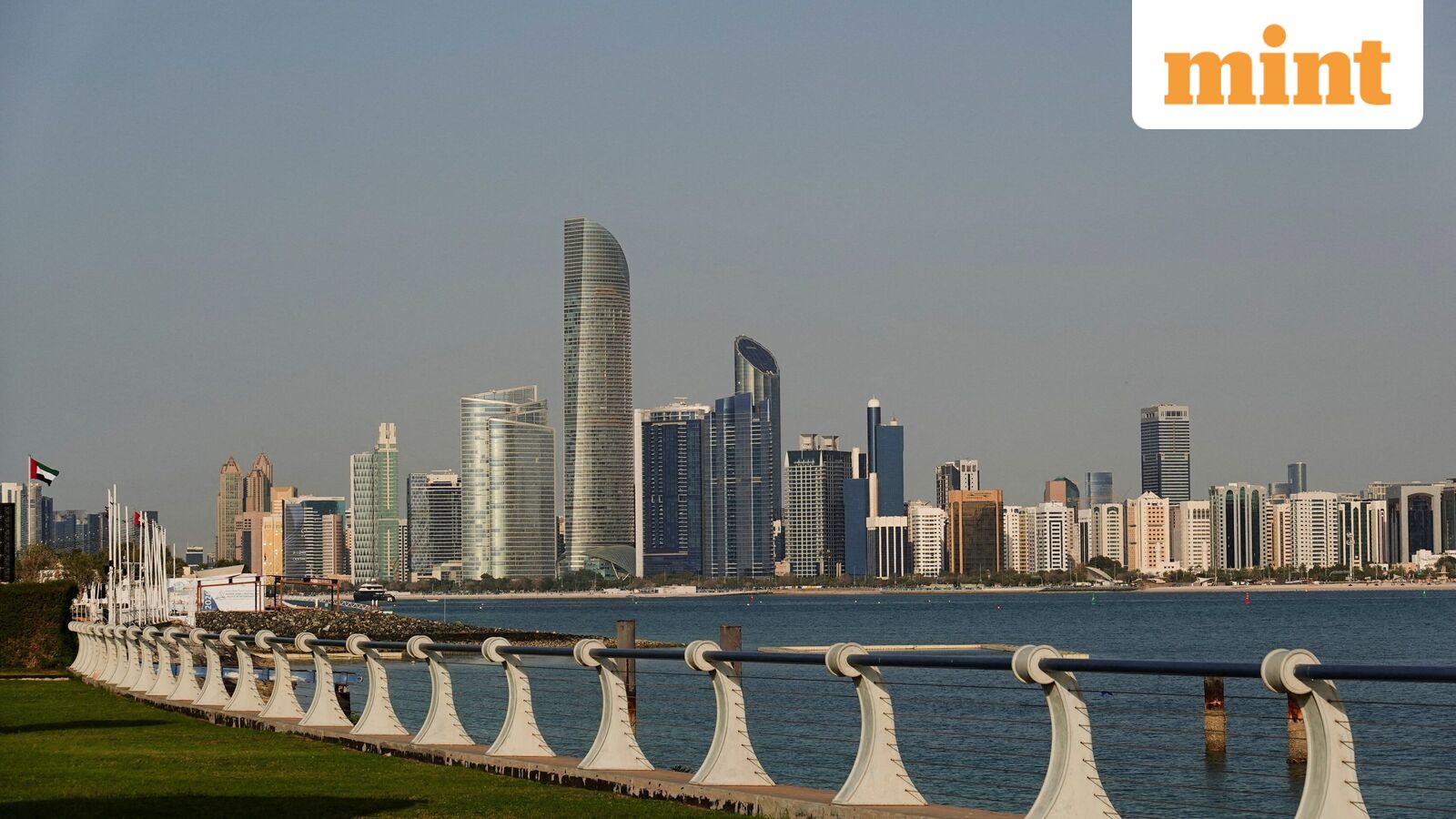
Iran attacks on military bases were reported from Abu Dhabi in the UAE, Doha in Qatar, Riyadh in Saudi Arabia, Manama in Bahrain and Amman in Jordan.
Al-Udeid Air Base in Qatar, Al-Salem Air Base in Kuwait, Al-Dhafra Air Base in the UAE, and the fifth US base in Bahrain have been targeted by Iranian missile attacksaccording to Iran’s Fars news agency.
Iran had earlier said it would retaliate against US bases. Iranian Foreign Minister Abbas Araghchi told counterparts from Saudi Arabia, the UAE, Qatar, Kuwait, Bahrain, and Iraq that it will use all its defensive and military capabilities under the legitimate right of self-defense, Reuters reported, citing a Telegram post.
UAE: Flagrant violation of national sovereignty
The United Arab Emirates expressed strong condemnation of the Iranian missile attacks that targeted its territory and several countries in the region, describing them as a flagrant violation of national sovereignty and international law.
The Organization of Islamic Cooperation (OIC) condemned Iran for what it called the ‘targeting of the sovereignty and territories of neighboring member states – Saudi Arabia, UAE, Bahrain, Kuwait, Jordan and Qatar. The OIC said the attacks had escalated and posed a threat to the region’s stability.
“The General Secretariat stresses that the continued violation of the sovereignty of member states and principles of international law represents a dangerous precedent that undermines the foundation of international relations based on good neighbourliness, mutual respect and non-interference in internal affairs,” the OIC said in a statement.
OIC – the world’s second-largest intergovernmental body after the UN, has 57 member states, and is often referred to as “collective voice of the Muslim world”. Founded in 1969, it aims to protect Muslim interests worldwide, with headquarters in Jeddah, Saudi Arabia.
The Muslim World League, an international Islamic non-governmental organization based in Mecca, Saudi Arabia, also strongly condemned the Iranian aggression against neighboring Arab states.
‘Blatant act of aggression against religious values’
In a statement issued by the league’s General Secretariat, Sheikh Mohammed Bin Abdulkarim Al Issa, the league’s secretary general and chairman of the Organization of Muslim Scholars, denounced the attack, describing it as a blatant act of aggression against religious values.
The Kingdom of Morocco also condemned in the strongest terms the abject Iranian missile attack that violated the integrity and security of brotherly Arab states.
A statement from the Ministry of Foreign Affairs, African Cooperation and Moroccan Expatriates emphasizes that the Kingdom of Morocco considers this aggression a flagrant violation of the national sovereignty of these States, an unacceptable infringement on their security and a direct threat to the stability of the region.
Saudi vs Iran rivalry?
The reaction from Arab nations somehow reflects the enduring strategic rivalry between Saudi Arabia and Iran. For decades, both nations have competed for political and security influence across the Middle East — a contest often characterized by analysts as a “new Cold War.”
As a sign of fragile détente, the power rivalry is based on religious and political identities — Saudi Arabia represents the predominantly Sunni Muslim world and sees itself as a custodian of Sunni Islam, while Iran is a Shia Muslim state.
This sectarian divide has often been invoked by both sides in regional competition. Diplomatic ties were severed from 2016 to 2023 due to incidents like the execution of Shia cleric Nimr al-Nimr and attacks on Saudi diplomatic facilities in Iran.
The continued violation of the sovereignty of member states represents a dangerous precedent that undermines the foundation of international relations.
Both the OIC and the Muslim League, considered the largest Muslim organizations, are headquartered in Saudi Arabia and condemned Iran’s retaliation on Saturday.
Key Takeaways
- The OIC and Muslim World League’s condemnation emphasizes collective security among Muslim nations.
- The sectarian rivalry between Sunni-majority Saudi Arabia and Shia-majority Iran continues to influence regional politics.
- Iran’s missile strikes signal a significant escalation in Middle Eastern tensions, requiring diplomatic intervention.