

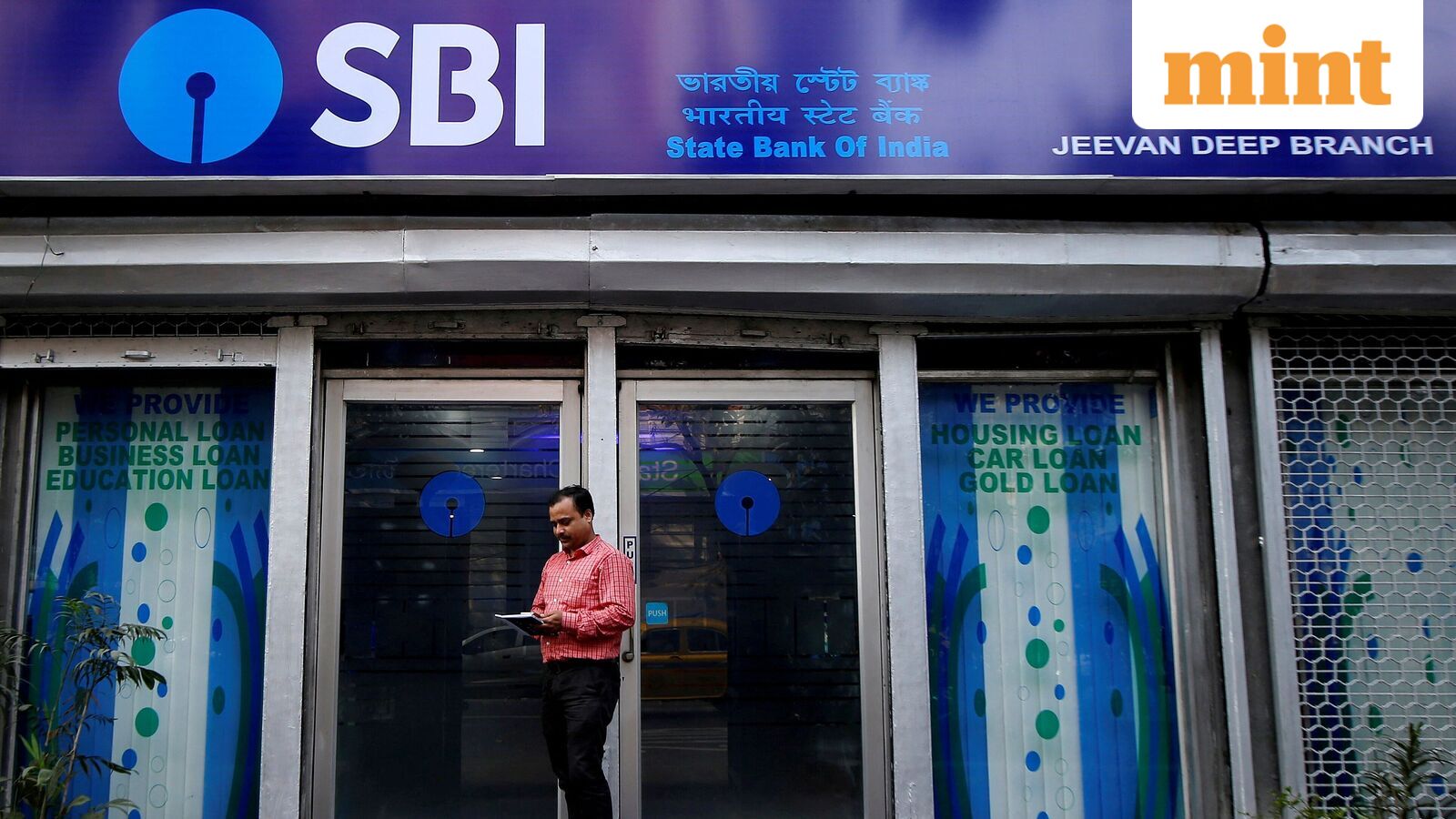
State Bank of India’s (SBI) December quarter (Q3FY26) results landed strongly on Saturday against a slightly jittery backdrop. Bond yields had crept up after the Union Budget, reviving the familiar fear trade around banks—higher yields, tighter liquidity, and pressure on margins. SBI stock had declined almost 5% in response, but has since recouped the losses, hitting a fresh 52-week high of ₹1,143 on Monday.
For a stock that has undergone a share re-rating over the past two years, the bar wasn’t low. Profit after tax rose 24.5% year-on-year to ₹21,030 crore in Q3, driven by a sharp jump in other income. Loan growth at 15.6% surprised to the upside, prompting management to upgrade FY26 credit growth guidance to 13-15% from 12-14%.
Margins, the market’s primary obsession of late, held steady. Reported net interest margin (NIM) increased 2 basis points (bps) sequentially to 2.99%. The much-feared impact of the new labor codes was minimal, with lower pension provisions keeping operating expenses contained. Management reiterated its intention to keep the cost-to-income ratio below 50% over the medium term.
Credit growth was broad-based, led by the small and medium enterprises (SME), corporate and agriculture segments. Retail growth remained healthy, with gold loans standing out—up over 90% year-on-year—partly at the expense of unsecured personal loans. This shift has dampened yields, but is a positive from a risk perspective.
Asset quality continued to improve. Gross non-performing assets (NPA) fell 16 basis points (bps) sequentially to 1.6%, and net NPA declined 3 bps to 0.4%. SBI continues to carry sizeable non-NPA buffers, including covid-era provisions, giving it room to absorb future shocks or regulatory transitions such as expected credit-loss norms.
Non-core earnings
But dig a little deeper and the quality of earnings deserves a more nuanced reading. A meaningful chunk of the upside came from non-core levers—a special dividend of ₹2,200 crore from SBI Mutual Fund, and ₹770 crore of interest on income-tax refunds. Adjusted for this refund, core NIM was 1 bp lower sequentially. This matters because the next leg of margin expansion is unlikely to come easy.
Deposit repricing is largely behind the bank, with around 75-80% of term deposits already repriced. The rest is likely to flow through in Q4, but the policy rate cut from December could negate the impact.
Once the impact of monetary easing is fully incorporated, NIM is not expected to be materially above 3%. Faster growth in lower-yielding segments, competitive deposit markets, higher gratuity provisions, and sharp upward moves in bond yields could also test the profitability optics. The writing was on the wall in Q3 too. Deposit growth at 9% lagged credit growth, and the domestic CASA ratio declined 49 bps sequentially as lower government deposit mobilization was only partially offset by private deposits.
SBI’s opportunity set, however, is clear. A ₹The $7.9 trillion corporate loan disbursement pipeline, spanning infrastructure, power and renewables, provides visibility on growth. Few banks have SBI’s balance-sheet heft to ride India’s capex cycle at this scale.
But it is important to note that while asset-quality metrics look pristine today, credit cycles have a habit of turning when optimism peaks. Credit costs have spiked 31 bps from a year ago. The stock is trading at 1.8 times its FY27 book value estimates, as per Bloomberg. Against the long-term return on assets (ROA) guidance of just 1%, the stock’s valuation appears unforgiving.


566win, eh? New to me. Are the odds any good? Thinking of chucking a few bucks their way, Any reviews? Check out: 566win
Has anyone actually downloaded the 655betapp? Is it legit? Need to know before I waste my data and then time LOL! Here’s the link: 655betapp
69win15, right? Saw an ad. Is it as good as they say? Got any tips or tricks? Check it out : 69win15