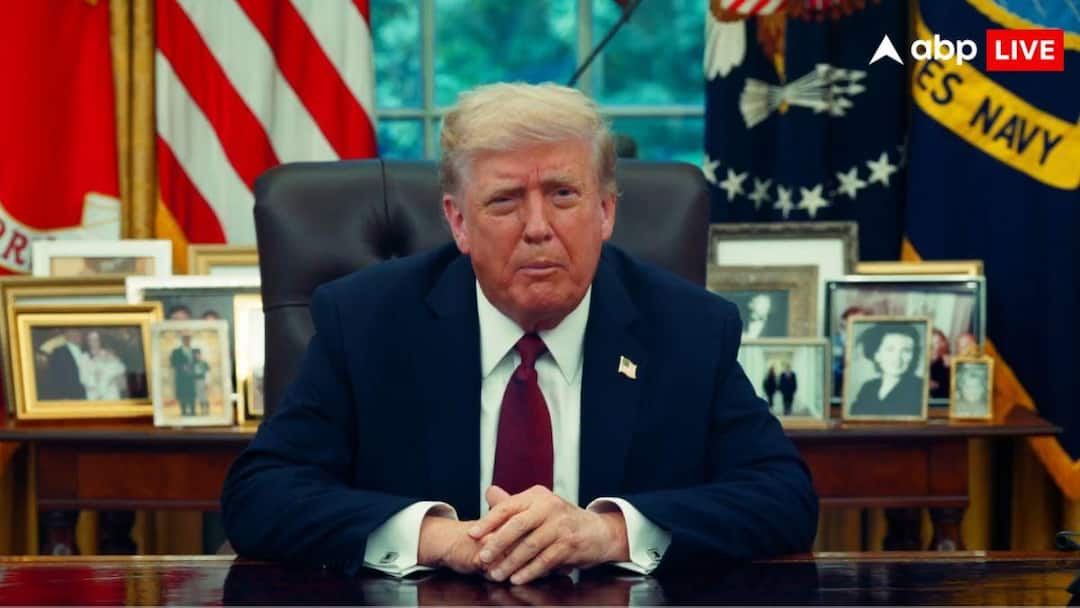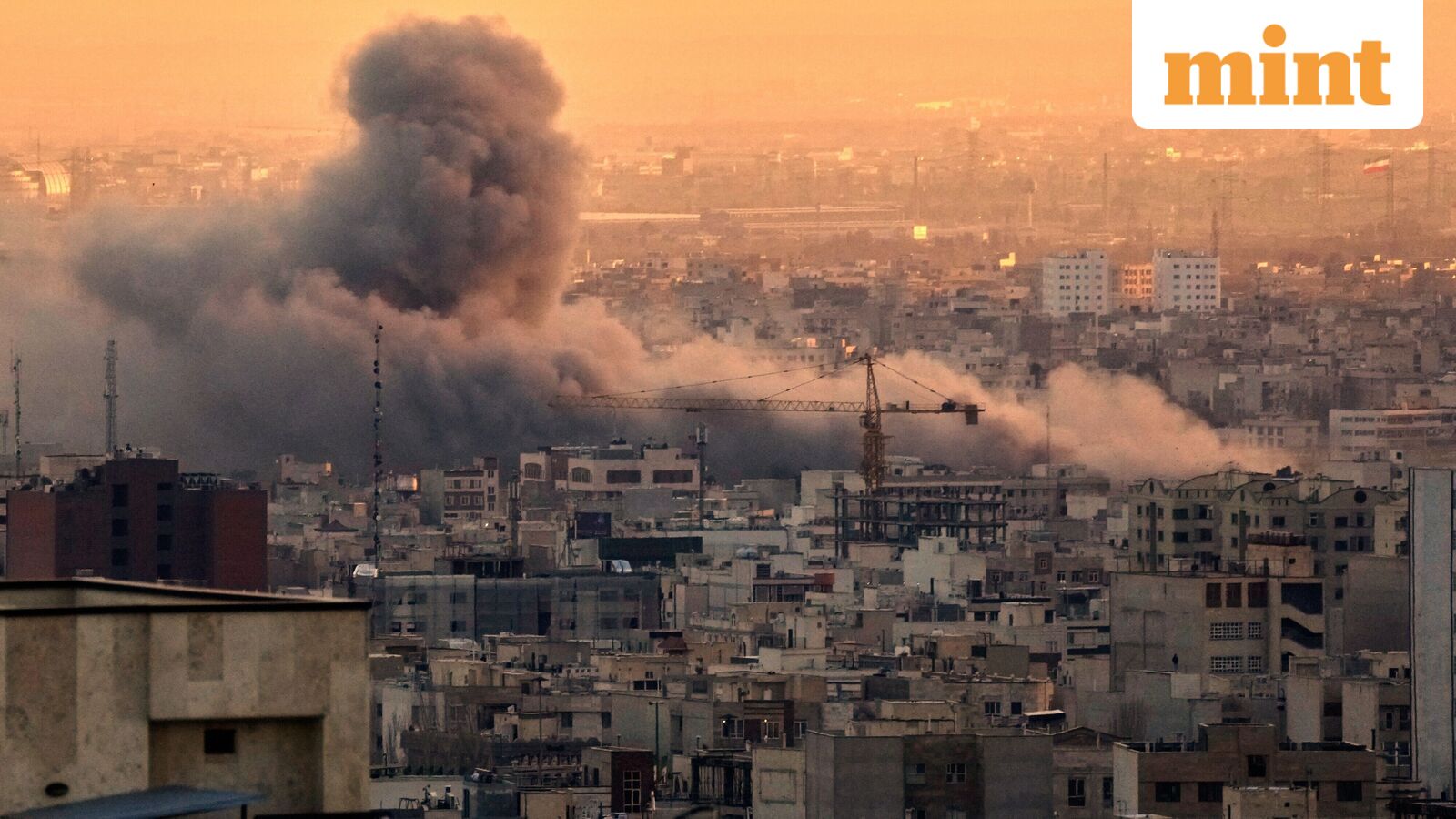
As Operation Epic Fury continues, the US Central Command on Tuesday said its forces are in full control of the situation. Admiral Brad Cooper, who leads US forces in the Middle East as the head of Central Command, said the first 24 hours of the ‘Operation Epic Fury’ bombardment of Iran were “nearly double the scale” of the first 24 hours of the ‘Shock and Awe’ campaign that opened the Iraq War in 2003.
‘Ahead of our game plan’
“We are seeing that Iran’s ability to hit us, and our partners, is declining, while our combat power, on the other hand, is building,” Cooper said in a video. “My overall operational assessment is that we are ahead of our game plan.”
Cooper said Iran’s air defenses had been badly degraded, its navy had no operational vessels on key waterways after 17 were sunk, and that more than 2,000 Iranian targets had been hit.
‘More capabilities on the way’
According to him, some 50,000 US troops, 200 fighters, two aircraft carriers, and bombers are participating in this operation. He added that “more capabilities” were on the way.
“These forces bring a massive amount of firepower, representing the largest buildup by the Middle East in generations,” he said.
Iran’s air defenses, Navy destroyed
Giving further details of the ongoing operation, Admiral Cooper said, in less than one hundred hours, the US has hit over 200 targets in Iran.
“We have severely degraded Iran’s air defenses and destroyed hundreds of Iran’s ballistic missiles, launchers and drones. In simple terms, we are focused on shooting at things that can shoot at us,” he said.
“We are also sinking the Iranian Navy, the entire Navy. Thus far, we have destroyed 17 Iranian ships, including the most operational Iranian submarine,” he added.
Iran can’t block Strait of Hormuz
In response to the US strikes, Iran has fired missiles and drones at neighboring Arab states that host US bases, and strangled shipping through the Strait of Hormuz, where a fifth of the world’s supplies of oil and liquefied natural gas travel past its coast.
But according to Admiral Cooper, Iran is no longer in a position to blockade the Strait of Hormuz.
“Today, there is not a single Iranian ship in the Arabian Gulf, Strait of Hormuz of Gulf of Oman. We will not stop, and we will continue to conduct dynamic and targeted operations,” he said.
What Iran said
Meanwhile, Iran on Tuesday said it struck an American destroyer in the Indian Ocean, hundreds of kilometers away from Iran’s borders, using “Ghadr-380” and “Talaieh” missiles.
According to the IRGC, more than 650 US military personnel have been killed and wounded within the first two days of Iran’s retaliatory strikes, called Operation True Promise 4.
“In the first two days of the war, 650 American troops were killed and wounded,” Brigadier General Ali Mohammad Naeini stated on Tuesday.
Civilian death toll in Iran
Iran also said that civilian deaths in the country from the US attacks had reached 787 on Tuesday. That included 165 girls killed on the war’s first day when their school was bombed, the highest toll among several civilian sites reported to have been hit.
Key Takeaways
- The US has successfully targeted and destroyed critical components of Iran’s military infrastructure.
- Casualties on both sides have escalated rapidly, highlighting the conflict’s severity.
- The strategic balance in the region is shifting, with the US asserting dominance over key waterways.