

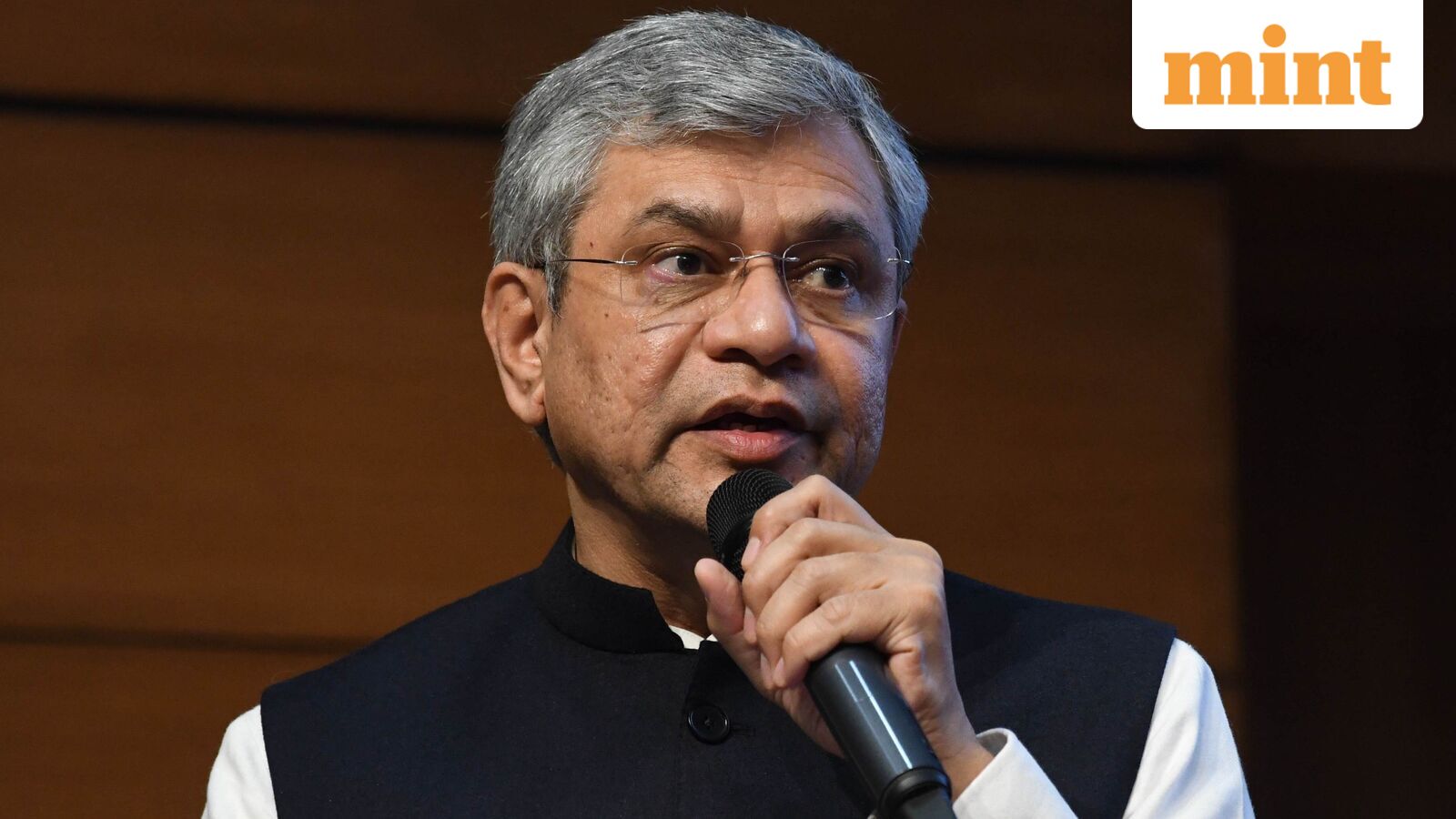
India’s Information Technology and Communications Minister, Ashwini Vaishnaw, on Thursday delivered a pointed message to digital and social media platforms: adopt fair revenue-sharing models for content creators voluntarily, or risk legal intervention.
Speaking at the Digital News Publishers Association (DNPA) Conclave 2026, Vaishnaw argued that platforms deriving value from journalistic and creative content must ensure equitable compensation — not only for established news organizations, but also for independent creators, researchers and influencers across the country.
“Platforms must work to share fair compensation for the content they use from publishers and creators. They either do it voluntarily or else there are legal ways to get it done,” he said.
Revenue Sharing Must Extend Beyond Newsrooms
Expanding on the issue of digital monetization, Vaishnaw stressed that fairness in revenue distribution must apply across the entire creator ecosystem.
“Social media platforms must also share revenue in a fair way with the people who are creating the content, whether it is news persons, conventional media, creators sitting in far-flung areas, influencers, the professors and researchers who are disseminating their work using the platforms.
“Everywhere the principle now has to be set right,” he said.
The minister suggested that intellectual property has historically powered economic and cultural advancement, warning that unfair monetization could undermine long-term societal growth.
“…The people who created copyrights, the people who created the original content, the society grew on the basis of that intellectual property. And if that intellectual property is not well respected and not fairly compensated, then the growth of the society, the growth of science, the growth of technology, the growth of arts, the growth of literature, that will all get stunted and the human growth which has happened over past thousands of years will get delayed, will get muted, will get That incentive for creating the original work and getting fair appreciation from sections of the society, must be respected. I will request all the platforms to rethink their revenue-sharing policies because that is also one of the major concerns that the entire society is raising. “
While Vaishnaw did not specify jurisdictions, several countries have introduced legislation compelling technology companies to compensate news publishers for content usage.
Deepfakes and the Crisis of Trust
Beyond economic considerations, the minister devoted substantial attention to what he described as an erosion of public trust fueled by synthetic media and disinformation.
“The core tenet of trust is under threat. It is coming in different forms — deepfakes, things which have never happened anywhere; disinformation.. creating synthetically generated pictures of well respected people, creating videos which have no correlation to AI; and all that content, so-called content/news, when it reaches common people — they start questioning the basic structure of the society,” said Vaishnaw.
He argued that platforms must assume responsibility for the content hosted on their networks and prevent the misuse of emerging technologies.
“… Therefore, I will request that platforms must wake up, must understand the importance of reinforcing trust in the institutions which human society has created over thousands of years. Platforms must take responsibility for the content that is hosted by them. The online safety of children, the online safety of all citizens is the responsibility of the platforms. Non-adherence to these principles will definitely make them responsible because the nature of the internet has changed now, and synthetic content should not be generated without the consent of the person whose face or voice or personality has been used to create the content…”
“Synthetic content should not be generated without the consent of the person whose face or voice or personality has been used to create the content. Time has come to make that big inflectional change,” he added.
He further warned of a “Disinformation barrage, which can cause that sense of distrust which does not exist in real life,” flagging the societal consequences of manipulated images and fabricated videos.
According to the minister, “All that so-called content reaches the common citizen, they start questioning the very basic structure of the society.”
A Global Challenge in the AI Era
Vaishnaw emphasized that these concerns are not confined to India, describing the phenomenon as “happening everywhere, not only in India,” and linking it to the rapid development of artificial intelligence.
He maintained that explicit consent must underpin AI-generated content featuring identifiable individuals, positioning digital security and individual rights as central to future policy interventions.
The DNPA Conclave 2026, themed ‘The New World Order of News: Rewriting the Playbook for a Resilient Digital Future’, brought together policymakers, media leaders and industry experts to examine the future of digital journalism and platform governance.
Vaishnaw’s remarks signal that India may follow countries that have already legislated revenue-sharing frameworks if voluntary compliance by platforms does not materialize.
For now, the message from the government is clear: equitable monetization and digital accountability are no longer optional principles, but emerging regulatory expectations in the age of artificial intelligence.

