

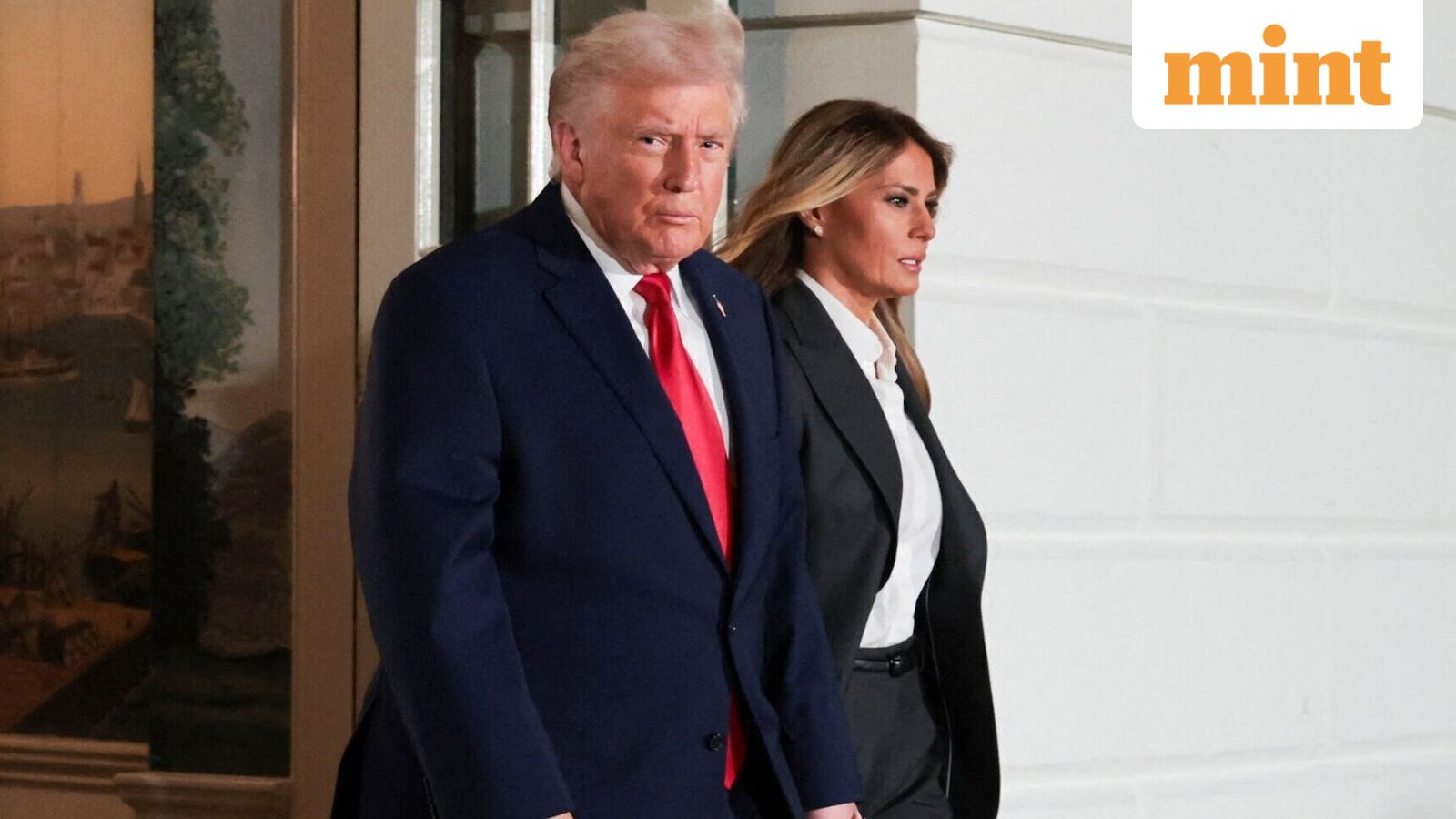
Survivors of Jeffrey Epstein’s sex trafficking operation are set to attend President Donald Trump’s 2026 State of the Union address, transforming the annual constitutional ritual into a pointed confrontation over accountability, transparency and political power. Their presence in the House gallery comes as dozens of Democratic lawmakers plan to boycott the speech, staging a parallel rally to denounce what they describe as democratic backsliding.
The juxtaposition underscores the volatile political climate surrounding this year’s address: a chamber divided not merely by policy, but by questions of justice, institutional trust and the lingering shadow of Epstein’s crimes.
Epstein Survivors Seek Accountability in the House Gallery
The decision by several Epstein survivors to attend the State of the Union was framed by Democratic Representative Pramila Jayapal as an act of public reckoning.
“Today the world will see Donald Trump have to face these survivors right there in the House gallery,” Jayapal said at a press conference.
The lawmaker criticized what she characterized as a failure to pursue broader prosecutions connected to Epstein’s network. “Ambassadors and princes have been arrested in other countries,” Jayapal said. “But here in America, not a single investigation has been announced into the pedophiles and predators of Epstein’s horrific sex trafficking ring.”
“We demand investigations right here at home,” Jayapal said at the press conference attended by several victims of Epstein, who died in a New York jail cell in 2019 while awaiting trial for sex trafficking.
Epstein’s death in federal custody, officially ruled a suicide, has remained a source of public suspicion and political controversy. Despite years of scrutiny, only one person in the United States has been convicted in connection with his activities: Ghislaine Maxwell, who is serving a 20-year prison sentence after being found guilty in 2021 of providing minor girls to the financier.
Renewed Focus on the Epstein Files
The Justice Department’s release of documents connected to Epstein has intensified calls for further investigation. Although several prominent figures have faced reputational consequences after maintaining associations with Epstein following his 2008 conviction for sex crimes, no additional criminal charges have been brought in the United States.
Lisa Phillips, an Epstein victim, urged a broader international response.
“Some may have committed no crimes. Some may have. But every person connected to wrongdoing and Epstein’s world in any nation must be investigated, and, if appropriate, held accountable,” Phillips said.
Trump, whose name appears repeatedly in the released files, has not been charged with any wrongdoing. He resisted publication of the files for months before signing legislation passed by Congress requiring their disclosure.
The presence of survivors in the gallery places the issue squarely within the ceremonial and symbolic heart of American democracy, turning a presidential address into a moment of public moral reckoning.
Democratic Boycott Signals Deepening Partisan Rift
Parallel to the gallery protest, at least 30 Democratic members of Congress have announced plans to boycott the address altogether. Among them are senators Chris Murphy, Chris Van Hollen, Ruben Gallego and Adam Schiff, along with Representatives Pramila Jayapal, Maxwell Frost and Greg Casar.
Instead of attending, many will gather on the National Mall for an event titled the “People’s State of the Union”, organized by the progressive media network MeidasTouch and the advocacy group MoveOn. The rally will be co-hosted by attorney and commentator Katie Phang and former anchor Joy Reid, and is intended to highlight the experiences of federal workers, immigrants and others affected by administration policies.
In a statement explaining his decision not to attend the address, Van Hollen said: “Trump is marching America toward fascism, and I refuse to normalize his shredding of our Constitution & democracy. This cannot be business as usual.”

