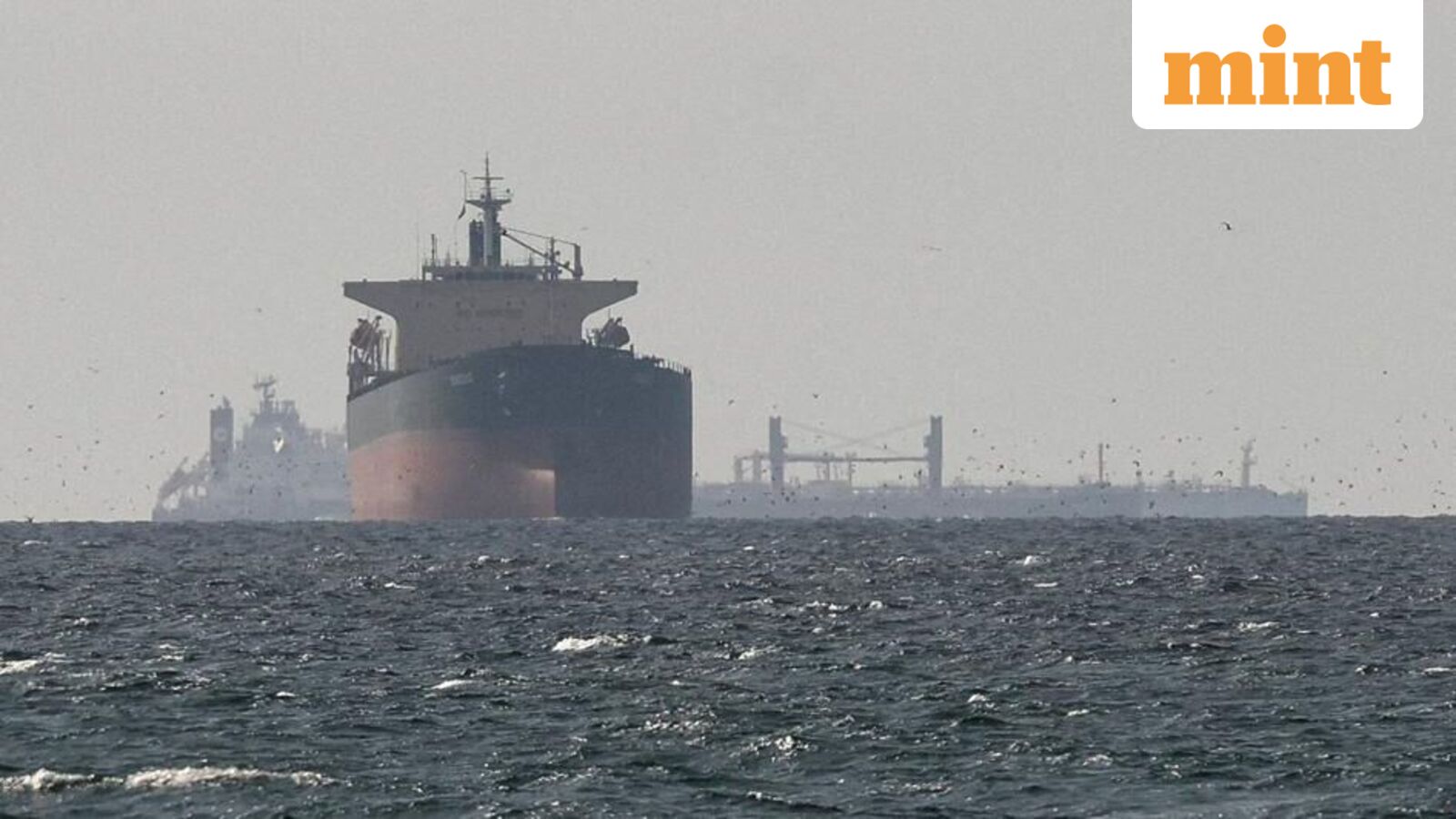
Iranian Foreign Minister Abbas Araghchi said on Saturday (March 14) that the Strait of Hormuz remains open to international shipping but is closed to vessels belonging to countries that are attacking Iran, specifically the United States and Israel.
Araghchi in an interview with MS Now, said: “As a matter of fact, this Strait of Hormuz is open. It is only closed to the tankers and ships belonging to our enemies, to those who are attacking us and the allies. Others are free to pass,” he said.
Significance of the Strait of Hormuz
The Strait of Hormuz is one of the most strategically important maritime chokepoints in the world, playing a critical role in global energy trade and regional security.
Vital global oil route
The narrow waterway connects the Persian Gulf with the Gulf of Oman and the Arabian Sea. A large share of the world’s crude oil and liquefied natural gas shipments passes through the strait every day, making it a lifeline for global energy markets.
Major oil-producing countries in the Gulf — including Saudi Arabia, Iraq, Kuwait, Qatar, and the United Arab Emirates — rely heavily on the route to export energy to international markets.
Strategic geographical location
The strait lies between Iran on its northern coast and Oman and the United Arab Emirates to the south. At its narrowest point, the waterway is only about 33 kilometers wide, with designated shipping lanes even narrower, making it a sensitive point for global maritime traffic.
Impact on global markets
Because so much of the world’s oil supply passes through the Strait of Hormuz, any disruption — whether due to military conflict, political tensions, or security threats — can quickly affect global oil prices and shipping routes.
Energy-importing countries across Asia, Europe, and beyond depend on the uninterrupted flow of oil through this corridor.
This is a developing story. Please check back for updates