
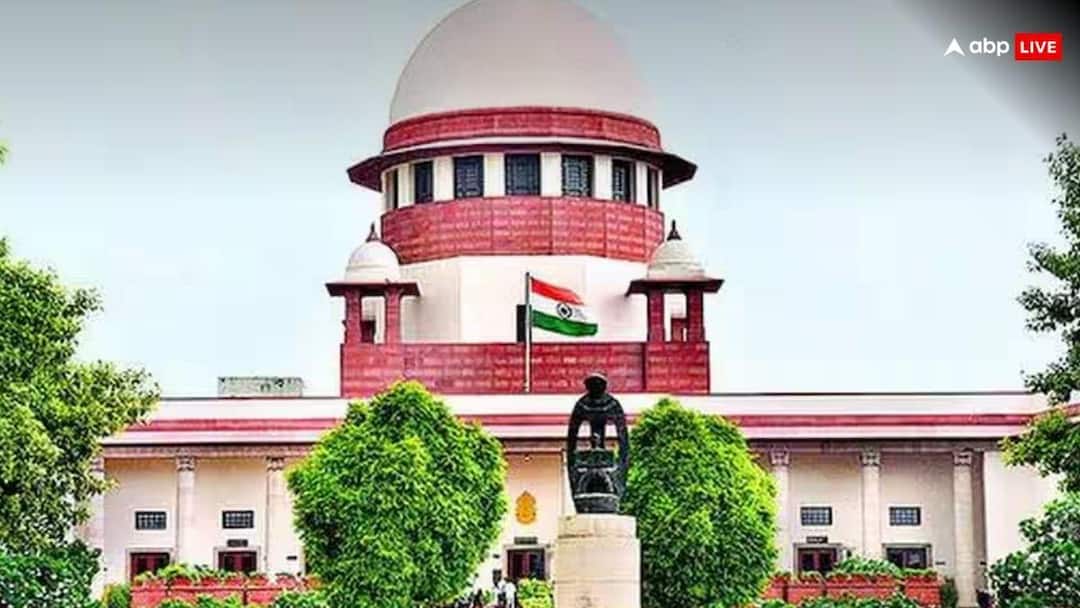
The Supreme Court has put a stay on the recently implemented new rules of UGC. Using the special power acquired under Article 142 of the Constitution, the Supreme Court has said that at present the UGC rules made in 2012 will remain applicable to all colleges. The bench headed by Chief Justice Surya Kant expressed concern over the new rules and said that there is a possibility of their misuse. At first glance, these rules seem to create discrimination in the society.
What is the matter?
UGC (University Grants Commission) had notified new rules on January 13 with the aim of promoting equality in higher education institutions. The petitioners who approached the Supreme Court against this had argued that the rules only mention discrimination against SC, ST and OBC classes. There is no provision for considering the general category as victims of discrimination. Also, there is no provision in the new rules for any action against the complainant if the complaint is found to be false.
Petitioners’ arguments
Vishnu Shankar Jain and other lawyers cross-examined on behalf of the petitioner side. He opposed Rule 3(c) of the new regulation. In this section, separate arrangements have been made for SC, ST and OBC. Lawyers said that Rule 3(e) already exists. This rule prohibits discrimination on all grounds including caste, religion, language, region, gender and physical appearance. In such a situation there was no need for 3(c). In this only 3 sections have been considered victims. It will become a very difficult situation for general category students.
What did the judges say?
The bench of Chief Justice Surya Kant and Justice Joymalya Bagchi seemed to prima facie agree with the views of the petitioner side. The bench said, ‘These rules are completely vague. There is a possibility of misuse of its provisions. There seems to be a need to recast or clarify their language.
‘There should be efforts for unity of society’
The Chief Justice said, ‘In 75 years of independence, we have made progress towards a caste-free society. Are we going backwards now? People of all classes have been living together in hostels. Youth are also adopting inter-caste marriage. If caste dispute starts in the college campus itself, then in which direction will the society go?
‘It is necessary for everyone to get protection’
Noting a lawyer from the petitioner’s side, the bench said that ragging still happens in colleges. There is a need to protect students of all categories from this. Talking about Rule 3(e), the judges said that it discusses all types of discrimination. If a student from South India or North-East becomes a victim of discrimination in a college in North India, then he should also be protected.
What will happen next?
The Supreme Court has issued a notice to the Central Government and the UGC in the matter and has put a stay on the regulations implemented on January 13. The court has also indicated that an expert committee can be formed to examine the case. The next hearing of the case will be on March 19. The court wants to know whether the disputed rules of the new rules can be written in a way that is inclusive and fair to all.