Members of Parliament (MPs) in the UK have now rejected a proposed ban on social media for children under 16 years, BBC reported.
MPs voted 307 to 173 against adding an age limit to the Children’s Wellbeing and Schools Bill. Conservative peer and former minister John Nash brought forward the proposal to implement a social media ban.
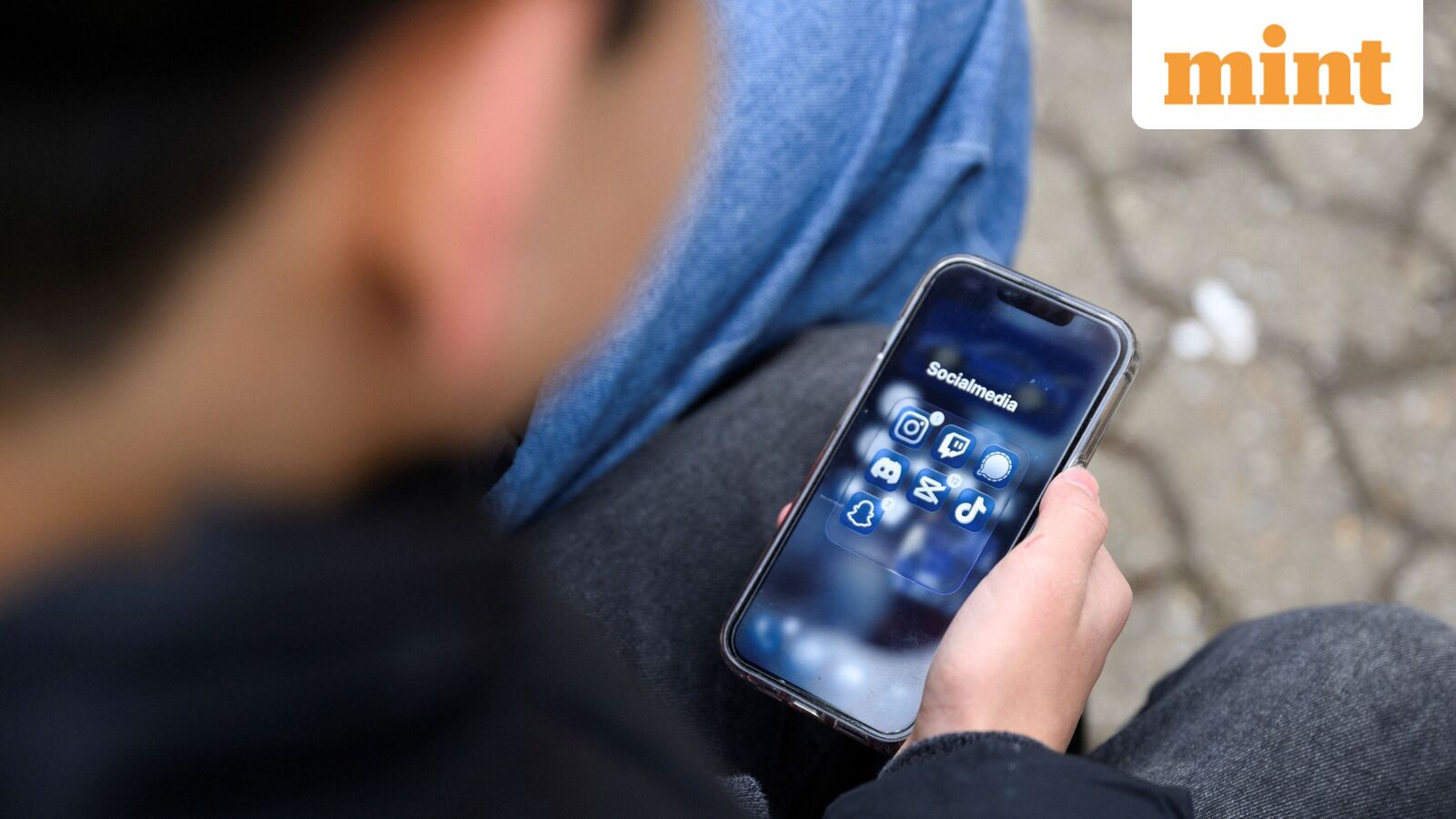
The development comes months after the House of Lords, in January this year, supported the age limit and proposed extending an Australia-style ban to teenagers under 16. In December last year, Australia implemented a social media ban for children under 16 years of age, making it the first country in the world to do so. The apps that were included in the ban were TikTok, Snapchat, and Instagram.
Campaigners, including actor Hugh Grant, called for stronger protections for children online. The report, however, suggests that although the ban was rejected, it could still be implemented later because the House of Commons has agreed to give the government greater powers to act through the Secretary of State.
Supporters vs critics
Supporters of the ban argue that parents are in an “impossible position” trying to protect their children from online harms. Others, including the National Society for the Prevention of Cruelty to Children (NSPCCC), warn that such a law might push teenagers toward unregulated parts of the internet, creating new risks.
The Conservative Party called the situation an “emergency” and said ministers should pass laws to protect children online.
After Parliament rejected the ban, the Liberal Democrats called the decision “simply not good enough”.
Those opposing a social media ban included the father of a 14-year-old girl, Molly Russell, who reportedly died by suicide after seeing harmful content online. Her father argued that the government should focus on ensuring strict enforcement of existing laws rather than implementing a new ban.
Education Minister asks MPs to reject the ban
According to a BBC report, on Monday (local time), Education Minister Olivia Bailey, in the House of Commons, appealed to the MPs to reject the proposed ban introduced in the House of Lords and instead focus on supporting more flexible rules for children using social media.
Bailey said that while many parents and campaigners have called for a complete ban on social media for children under 16 years of age, others, including children’s charities, have warned that such a blanket ban could drive the teenagers to less regulated “corners of the internet” or leave them unprepared for when they come online.
“That is why last week, the government launched a consultation to seek views to help shape our next steps and ensure children can grow up with a safer, healthier, and more enriching relationship with the online world,” she said.
The consultation will now look at whether social media companies should set a minimum age and whether such platforms should turn off addictive features like autoplay.
Education Minister proposes an alternate plan
Bailey proposed an alternative plan in the House of Commons that would give the Science Secretary, Liz Kendall, the power to “restrict or ban children of certain ages from accessing social media services and chatbots”.
Bailey said that, in addition, Kendall will have the option to restrict access to specific features of the social media platforms, especially those that are harmful or addictive. The Science Secretary would also have the authority to limit children’s access to Virtual Private Networks (VPNs) and modify the country’s digital age of consent.
The Children’s Wellbeing and Schools Bill will now be sent back to the House of Lords for further consideration by peers and will only become law if the final draft is agreed by both Houses.