

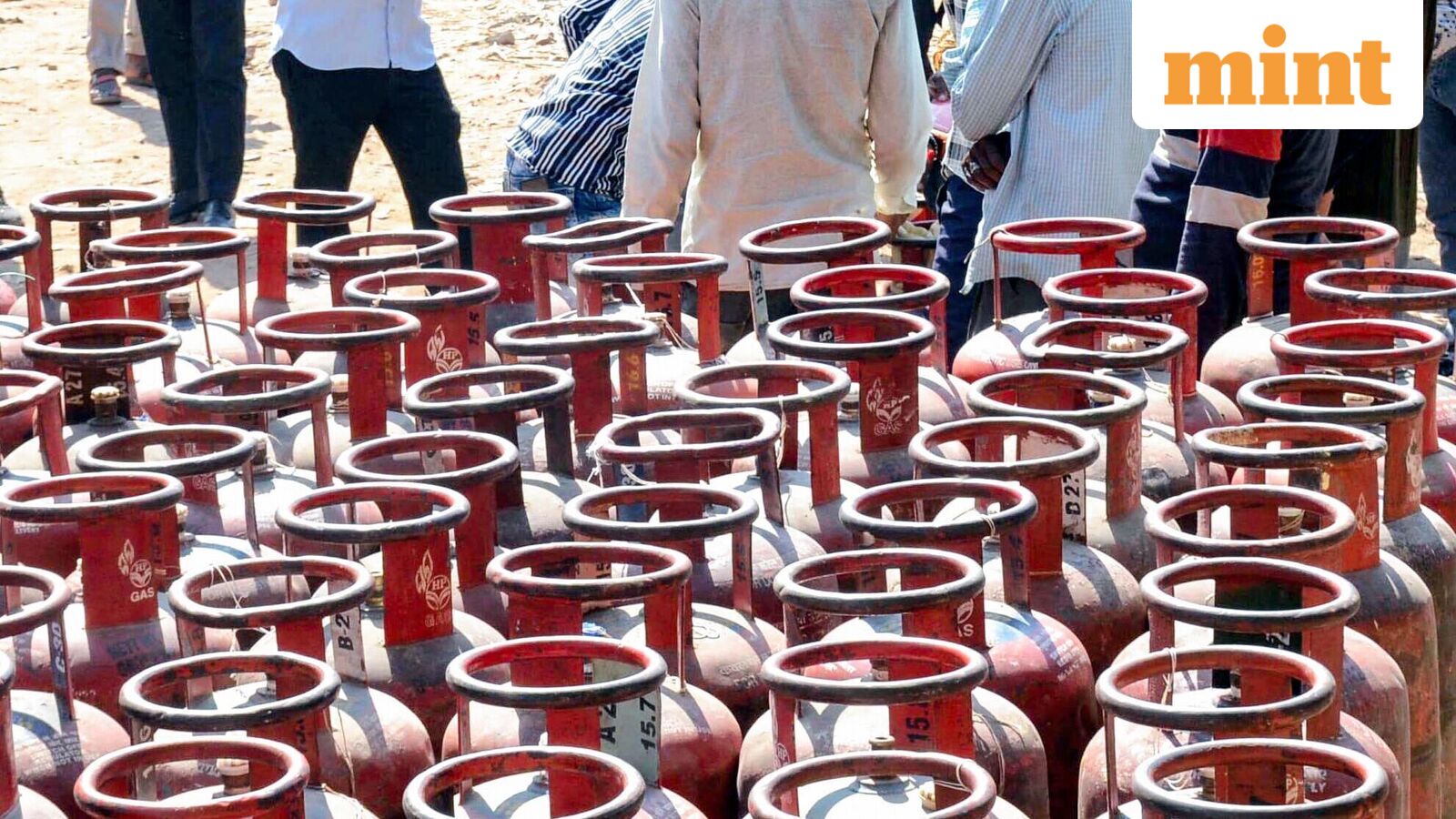
A social media post by a 23-year-old investor from Uttar Pradesh’s Varanasi has triggered a lively online debate after he attempted to calculate the daily earnings of LPG cylinder delivery workers.
The discussion comes at a time when LPG prices have risen across several Indian cities, partly due to global supply disruptions linked to the ongoing conflict in the Middle East following US-Israel strikes on Iran.
Taking to
“Today I received LPG Cylinder! LPG cylinder costs me ₹976 as ₹60 increased. I have offered ₹1,000 to Delivery person but he has no change, because he has only ₹500 Notes. I am wondering he is delivering 30-40 Cylinders a day means ₹25 per cylinder he is earning ₹1,000 a day. Monthly – Rs 30,000 + Salary,” he wrote.
His post suggested that if a delivery worker receives around ₹25 extra per cylinder — either through tips or small additional payments — their daily earnings could add up to nearly ₹1,000.
However, many social media users were quick to challenge the assumption and defended the work done by LPG delivery workers.
Several commenters pointed out that the job involves significant physical labor, including lifting and transporting heavy gas cylinders, often across multiple floors in residential buildings.
“Carrying cylinders isn’t easy. Try doing it for a day,” one user wrote, arguing that the calculation overlooks the difficulty of the work.
Others noted that tips are not guaranteed and can vary widely depending on the area, the customer and the circumstances. Some users also highlighted the long working hours and logistical challenges delivery workers face daily.
The viral post has also brought renewed attention to the larger issue of rising LPG prices and the strain on supply chains.
Recently, oil marketing companies increased the price of a 14.2kg domestic LPG cylinder by ₹60 across India. At the same time, the price of the 19kg commercial LPG cylinder, widely used by restaurants and businesses, was raised by ₹144.
One of the main factors behind the increase is the steady rise in LPG consumption across the country, as millions of households rely on the fuel for everyday cooking.
At the global level, tensions in the Middle East — a major energy-producing region — have contributed to volatility in energy markets, pushing up prices and raising concerns about supply stability.
Logistical hurdles and transportation bottlenecks have also slowed distribution in some areas, further adding to supply pressures.
In response to the evolving situation, the Union government has invoked provisions under the Essential Commodities Act to ensure that the country’s energy supply remains stable and prioritized for essential use.
Meanwhile, the investor’s post continues to circulate widely online, with many users saying the debate reflects a broader conversation about the value of physical labor and the realities of jobs that often go unnoticed.