

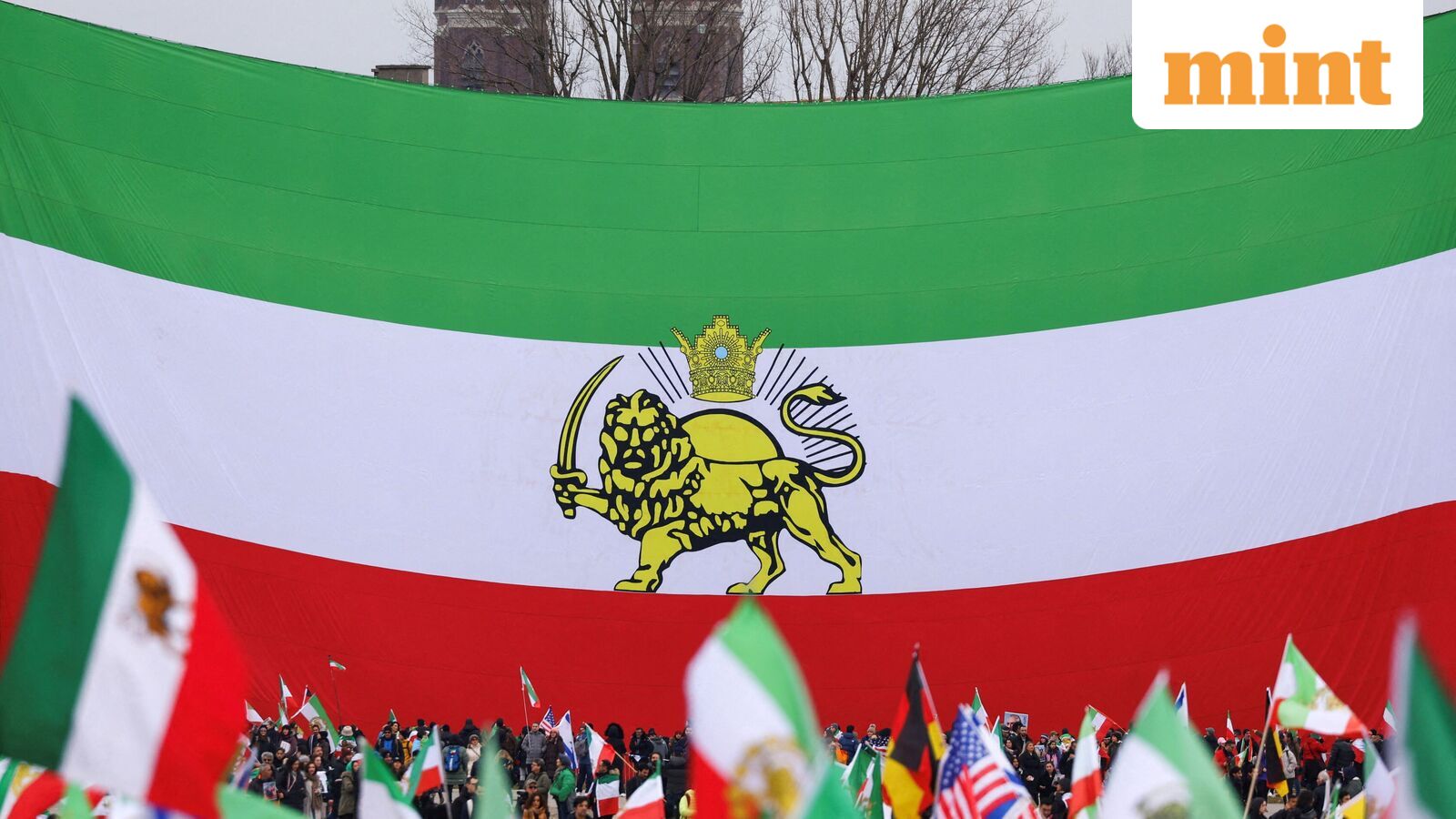
Iran and the United States are set to hold a second round of discussions on Tehran’s nuclear program next week, according to the Swiss Foreign Ministry on Saturday, as reported by AP.
The talks will take place in Geneva and be hosted by Oman, which also welcomed the first round of indirect talks on February 6, though the exact dates were not disclosed by the Swiss ministry.
After the first discussions, US President Donald Trump warned Tehran that failure to reach an agreement with his administration would be “very traumatic.”
Similar talks last year broke down in June as Israel launched what became a 12-day war on Iran that included the US bombing Iranian nuclear sites.
Trump has repeatedly threatened to use force to compel Iran to agree to constrain its nuclear program. Iran has said it would respond with an attack of its own. Trump has also threatened Iran over its deadly crackdown on recent nationwide protests there.
Gulf Arab nations have warned that any attack could spiral into another regional conflict.
Trump said Friday the USS Gerald R. Ford, the world’s largest aircraft carrier, was being sent from the Caribbean to the Mideast to join other military assets the US has built up in the region. He also said a change in power in Iran “would be the best thing that could happen.”
The indirect talks on Feb. 6 were between Iranian Foreign Minister Abbas Araghchi and US Mideast envoy Steve Witkoff. The top military commander in the Middle East was also present for the first time.
The Trump administration has maintained that Iran can have no uranium enrichment under any deal. Tehran says it won’t agree to that.
Iran has insisted its nuclear program is for peaceful purposes. However, its officials increasingly threatened to pursue a nuclear weapon. Before the June war, Iran had been enriching uranium up to 60% purity, a short, technical step away from weapons-grade levels.
Iranian President Masoud Pezeshkian has said his nation is “ready for any kind of verification.” However, the United Nations’ nuclear watchdog, the International Atomic Energy Agency, has been unable for months to inspect and verify Iran’s nuclear stockpile.
In recent weeks, Trump has indicated that his main focus is for Iran to reduce its nuclear capabilities, while Iran has insisted that negotiations concentrate exclusively on its nuclear program.
Meanwhile, Israeli Prime Minister Benjamin Netanyahu, who met with Trump in Washington this week, has called for any agreement to also address Iran’s ballistic missile program and its support for proxy groups like Hamas and Hezbollah.
Canada wants regime change in Iran
Canadian Foreign Affairs Minister Anita Anand told the Globe and Mail on Saturday that Canada favors a change of government in Iran, but she did not clarify whether the country would back a US military strike, Reuters reported.
“We will not open diplomatic relationships with Iran unless there is a regime change. Period,” Anand told the Globe and Mail in an interview in Germany, where she is attending the Munich Security Conference, Reuters reported.
Canada has particularly poor relations with Iran and cut off diplomatic ties in 2012.
Key Takeaways
- The US aims to limit Iran’s nuclear capabilities while Iran insists on peaceful intentions.
- Regional tensions escalate with potential military action looming over the negotiations.
- Canada’s position underscores the complexity of international relations regarding Iran.

