

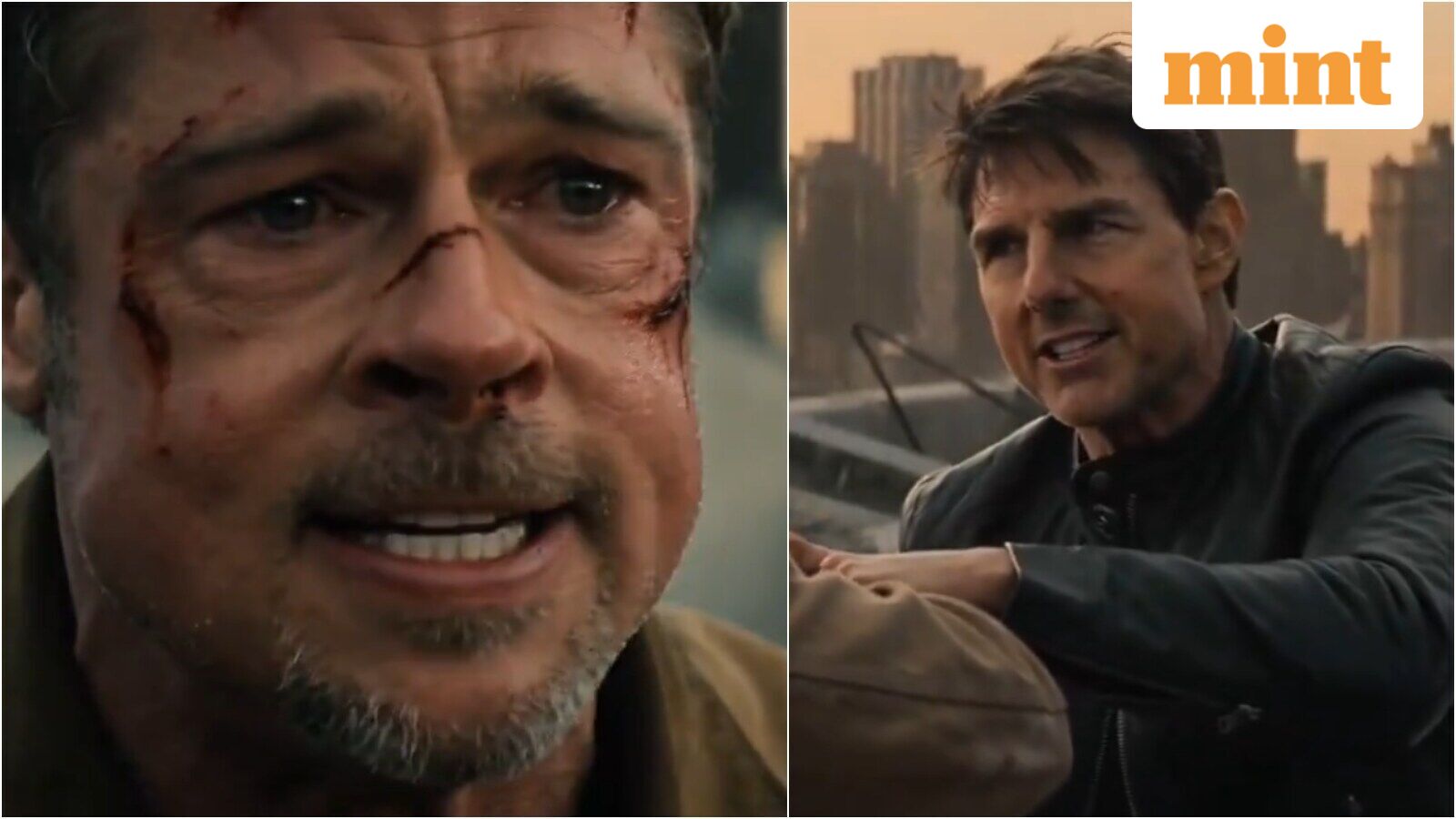
A slick, cinematic video showing digital versions of Hollywood stars Tom Cruise and Brad Pitt locked in an intense rooftop fight has taken the internet by storm — and triggered a serious backlash from the global film industry.
AI-generated Tom Cruise vs Brad Pitt fight goes viral
The viral clip opens with sweeping aerial shots before cutting to a stylized action sequence in which the two actors exchange punches, leap across buildings and perform choreographed combat moves reminiscent of big-budget Hollywood blockbusters.
The visuals are strikingly realistic: facial expressions, camera motion and lighting closely resemble scenes from a professionally produced action film. Many viewers initially believed the footage was a teaser for a new collaboration between the two stars.
But the fight never happened.
The video was entirely generated using artificial intelligence through a platform known as Seedance 2.0, a powerful text-to-video system reportedly connected to Chinese technology company ByteDance. Created from simple prompts, the clip demonstrated how AI tools can now produce near-cinematic sequences featuring recognizable celebrity likenesses without actor involvement or studio approval.
Within hours of appearing online, the video accumulated millions of views across social media platforms, sparking fascination as well as concern. Users shared reactions ranging from amazement at the technology’s realism to unease about how convincingly it replicated real performers.
Industry alarm and MPA response
The rapid spread of the clip prompted a strong reaction from the Motion Picture Association (MPA), which condemned the video as a “massive” infringement linked to Seedance 2.0.
An MPA spokesperson said, “In a single day, the Chinese AI service Seedance 2.0 has engaged in unauthorized use of US copyrighted works on a massive scale. By launching a service that operates without meaningful safeguards against infringement, ByteDance is disregarding well-established copyright law that protects the rights of creators and underpins millions of American jobs. ByteDance should immediately cease its infringing activity.”
Industry groups argue that such AI creations could undermine the legal framework protecting actors, filmmakers and studios. The concern is not merely about a single viral video but about the precedent it sets if synthetic performances can be produced freely using celebrity likenesses.
Actor Simu Liu, best known for his Marvel role, publicly criticized the viral clip, calling it “a complete piece of garbage” despite acknowledging the technological leap it represents.
Reposting the video on
Critics argue that while AI can imitate appearance, it still struggles to replicate the emotional authenticity and physical precision of real performances.
Netizens have also taken to social media to express their thoughts on this.
One person wrote, “Realization now we don’t need an actor to perform. we can sign him for the copyright issue. Rest will do the AI and the prompt Engineer (sic).” Another person commented, “This is cool tech… until someone uses it irresponsibly. That’s the real issue (sic).”
A third person wrote, “Tom Cruise v Brad Pitt created using Seedance 2.0. The character consistency, accuracy and details are too real. Hollywood is cooked (sic).”
Neither Cruise nor Pitt has publicly commented on the viral video, yet the incident has reignited global debate about consent in the AI era. Supporters argue such tools democratise filmmaking, while critics believe they risk eroding the value of human artistry.
What began as an eye-catching viral clip has now become a flashpoint in a much larger conversation. The fight between two digital movie stars may be fictional, but the clash between artificial intelligence and Hollywood’s creative rights is only just beginning.

