Today (26 February) is the second day of Prime Minister Narendra Modi’s visit to Israel. PM Modi addressed a press conference with Israeli Prime Minister Benjamin Netanyahu on Thursday i.e. today. Many big agreements have been signed between the two countries in various fields including terrorism, defence, AI and education. Apart from this, talks have also taken place between the two countries regarding the ongoing tension in Western Asia. Information about which was given by Foreign Secretary Vikram Misri.
ABP News raised questions regarding tension in Western Asia
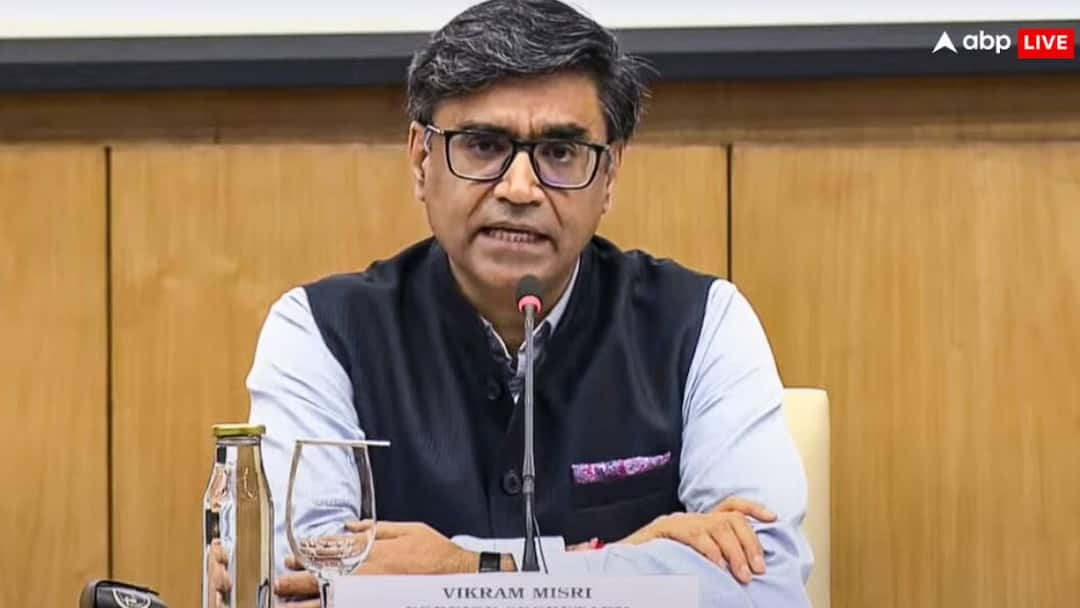
ABP News asked Foreign Secretary Vikram Misri whether there was any conversation between the Prime Ministers of India and Israel regarding the ongoing tension in West Asia? If so, what conversation took place? Foreign Secretary Vikram Misri replied to this.
What did Foreign Secretary Vikram Misri say?
He said, ‘Right now we are seeing a tense situation. Between Iran and America. Which may impact this area also. There was a discussion on this matter between the two Prime Ministers. The PM has put forth India’s view that India is of the opinion that the situations prevailing in this region should be resolved through dialogue and in a peaceful manner. Whatever help is required from India’s side in this, India is ready for a peaceful solution.
‘PM’s visit a milestone in the relations between the two countries’
The Foreign Secretary said, PM Modi had visited Israel on the invitation of Benjamin Netanyahu. This is the second visit of a Prime Minister to Israel. Before this he had come to Israel about 9 years ago. He said, this visit of the Prime Minister is a milestone in the relations between India and Israel. It reflects the progress made over the past decade and lays the foundation for the next phase of this important partnership.
Agreement reached between the two countries in many areas
He said, it was agreed to further deepen relations between India and Israel in various fields including science and technology, innovation, research, cyber security, agriculture, water, defense and security, trade and economy as well as people-to-people exchanges.