

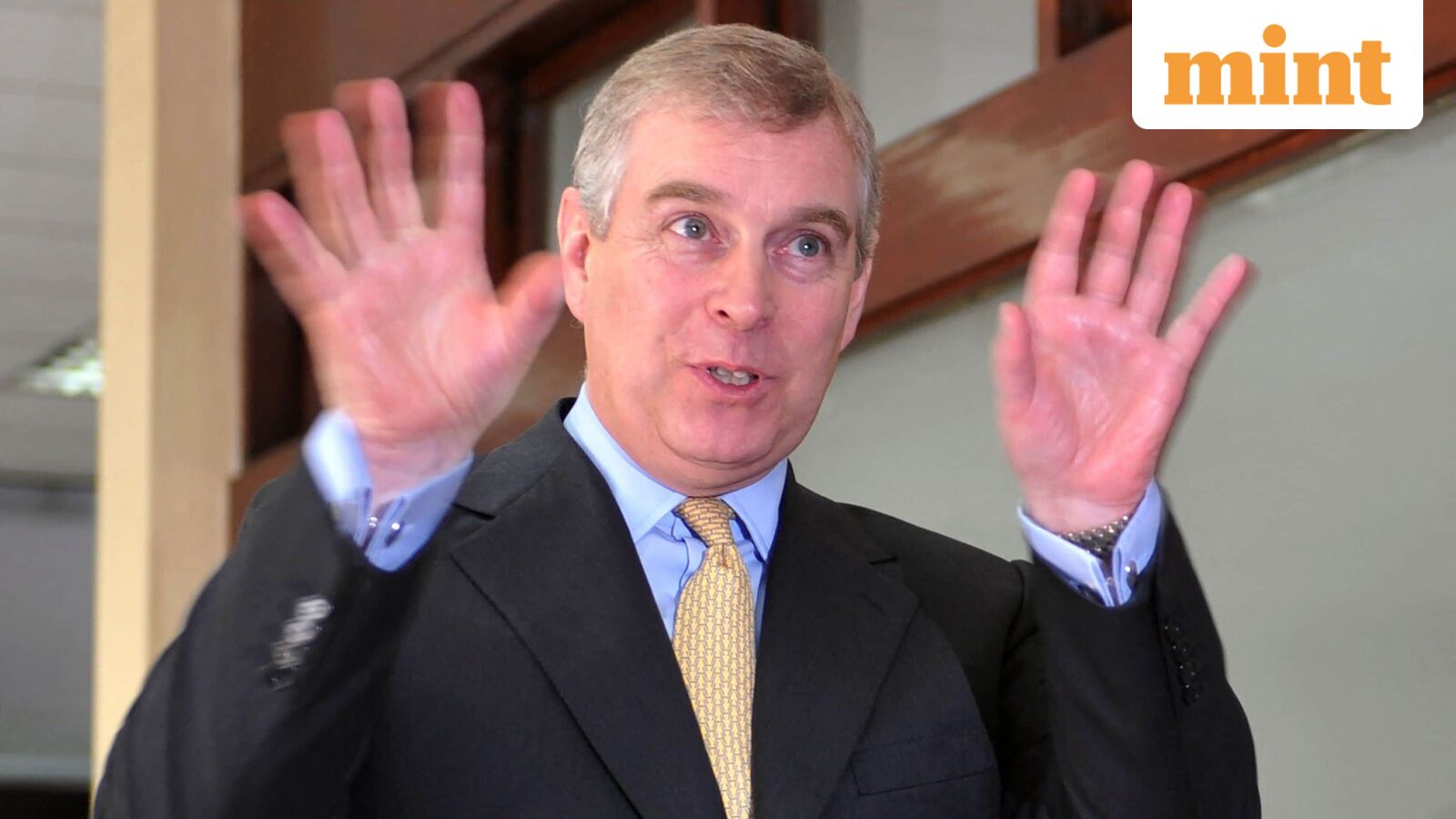
Andrew Mountbatten-Windsor was arrested on Thursday by the British police over suspicions of ‘misconduct in public office’ (MiPO) following revelations in the Jeffrey Epstein files.
In a statement on Thursday, the Thames Valley Police confirmed that “as part of the investigation, we have today (19/2) arrested a man in his sixties from Norfolk on suspicion of misconduct in public office and are carrying out searches at addresses in Berkshire and Norfolk.” It said the man, who it did not name in line with police procedures, “remains in police custody at this time,” reported CBS News.
What is ‘misconduct in public office’?
Misconduct in public office concerns serious willful abuse or neglect of the power or responsibilities of the public office held – states the website of Crown Prosecution Service (CPS) – the principal prosecuting authority for England and Wales, responsible for prosecuting criminal cases investigated by the police and other agencies.
CPS states that the offense is committed when “a public officer acting as such willfully neglects to perform their duty and/or willfully misconducts themselves to such a degree as to amount to an abuse of the public’s trust in the office holder without reasonable excuse or justification.”
As per the CPS, ‘Misconduct in public office’ (“MiPO”) is a common law offense that can be tried only on indictment.
The former prince’s arrest comes after an anti-royal organization reportedly called for police to investigate documents indicating that Andrew shared confidential government information with the late convicted sex offender, when the Royal worked as a British envoy.
What is the sentence for MiPO?
Misconduct in public office carries a maximum sentence of life imprisonment.
CPS states that for the offense to apply, there must be a direct link between the misconduct and an abuse of those powers or responsibilities.
The Court of Appeal has made it clear that the offense should be strictly confined, and it can raise complex and sometimes sensitive issues.
Probe against Andrew; epstein ties
The probe against ex-prince Andrew centers on alleged irregularities during his tenure as the UK’s Special Representative for International Trade and Investment, a role he held from 2001 to 2011.
According to the Epstein files recently released by the US Department of Justice, the former prince may have shared sensitive information from the British government with the American financier.
Investigators are reportedly reviewing emails, economic reports, and other communications that could point to the transfer of confidential data, including material related to Hong Kong, Singapore, and potentially the British Treasury.

