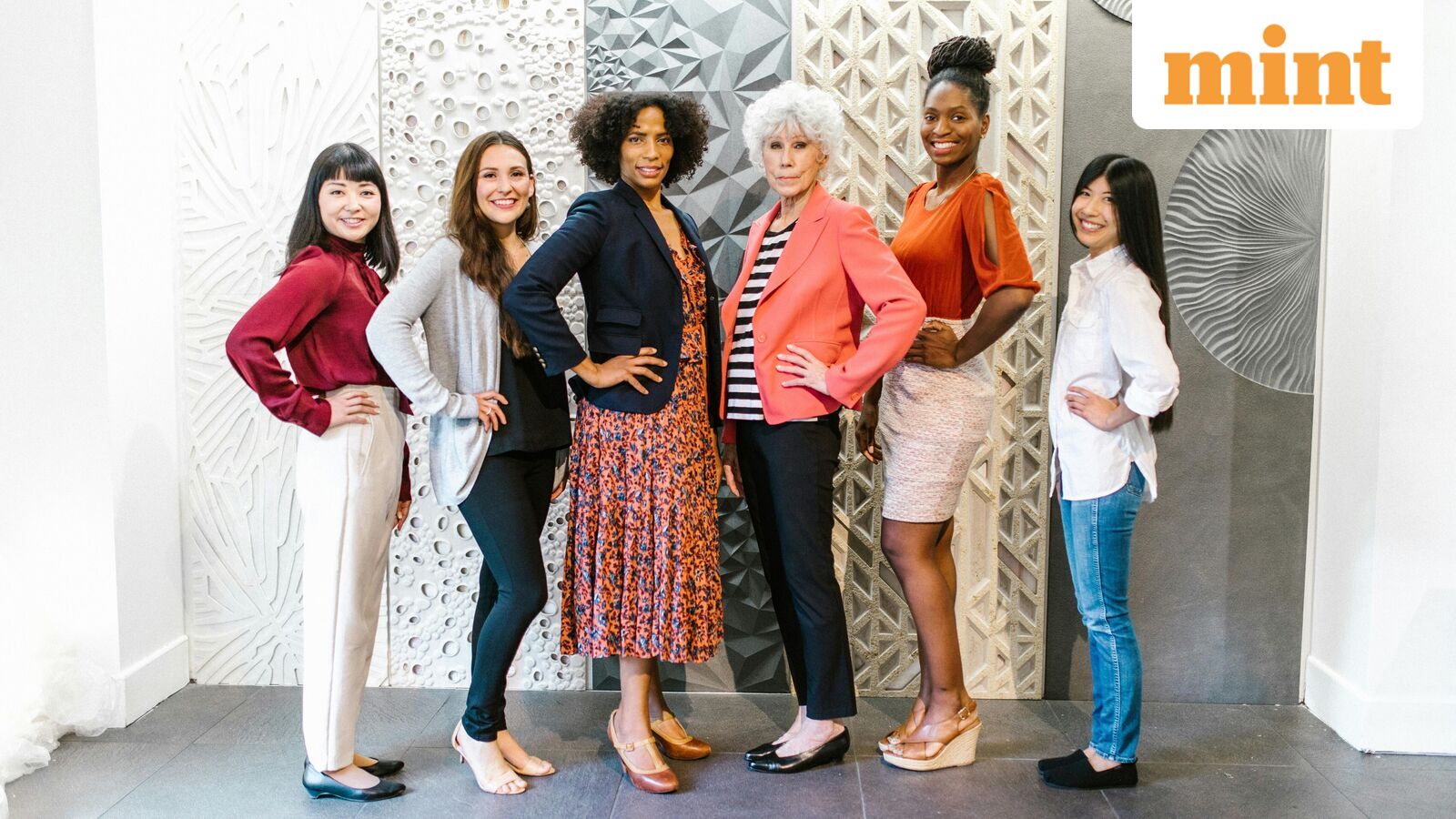
International Women’s Day is celebrated every year on 8 March. It celebrates women’s right to equality and liberation along with the equal opportunities. Concerned women centric issues such as gender equality, reproductive rights, and violence and abuse against women are given special focus on this day.
History and significance of International Women’s Day
The origin of International Women’s Day can be traced back to labor movements that arose in Europe and North America during the early 20th century. One of the first reported Women’s Day celebration dates back to 28 February 1909 which was organized by the Socialist Party of America in New York City.
It was communist activist and politician Clara Zetkin who actively proposed the celebration of “Working Women’s Day.” With no set date, it was approved at the 1910 International Socialist Women’s Conference in Copenhagen. In the following year, the concept gained more traction as first demonstrations and commemorations of International Women’s Day took place across Europe.
The first International Women’s Day was celebrated on 19 March 1911 by over a million people in Austria-Hungary, Denmark, Germany and Switzerland. As concepts like sex discrimination at workplace and women’s suffrage gained prominence, Russia observed International Women’s Day for the first time in 1913 in the end of February. International Women’s Day was observed on 8 March for the first time in Germany in 1914.
Consequently, first head of government of Soviet Russia, Vladimir Lenin, declared 8 March as International Women’s Day in 1922. This decision was taken to commemorate women’s role in the 1917 Russian Revolution. Subsequently, this day came to be celebrated by the socialist movement and communist countries across the world. In 1977, the United Nations lobbied for a holiday on International Women’s Day. This day is observed as a public holiday in several countries.
International Women’s Day 2026 theme
This year, the theme for International Women’s Day is ‘Give To Gain.’ This theme underscores the power of reciprocity and support. The act of giving could involve various forms, including donations, knowledge, resources, infrastructure, visibility, advocacy, resources, voice, education, training, mentoring, equal pay, justice, opportunity, safety or time.
Highlighting the measures that contribute to women’s advancement, IWD’s official website states, “Giving is not a subtraction, it’s intentional multiplication. When women thrive, we all rise.”