
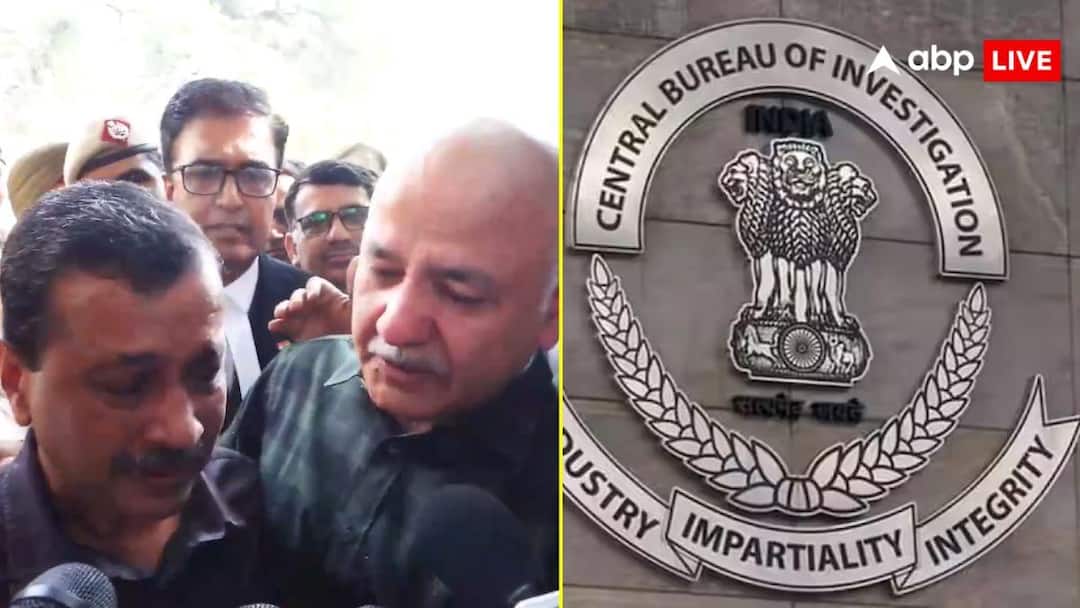
CBI filed a petition in the Delhi High Court challenging the lower court order acquitting Kejriwal in the excise case. The Central Bureau of Investigation (CBI) on Friday filed a petition in the Delhi High Court against the lower court order in which Arvind Kejriwal and others were acquitted in the alleged liquor scam case.
The move by the central agency comes hours after a special court in Delhi acquitted all 23 accused, including former Chief Minister Arvind Kejriwal and former Deputy Chief Minister Manish Sisodia, in the Delhi Excise Policy case.
What decision did the lower court give?
This order was given by Special Judge (Prevention of Corruption Act) Jitendra Singh in Rouse Avenue Court. The judge said the prosecution failed to prove any broader conspiracy or criminal intent behind the formulation of the excise policy. According to the court, the material presented on record did not stand judicial scrutiny. Strongly criticizing the investigation process, the court condemned the agency’s reliance on statements of government witnesses.
Also read: Congress’s first reaction on the acquittal of Arvind Kejriwal and Manish Sisodia, know what they said?
The court said that it is unfair to grant pardon to an accused, make him a government witness and then use his testimony to fill the loopholes in the investigation or to implicate others. The judge warned that doing so would be a serious violation of constitutional principles.
The court also indicated that it would recommend a departmental inquiry against the CBI officials who have named government employee Kuldeep Singh as the first accused in the chargesheet.
What has the lower court said in its decision?
In the Delhi Liquor Policy case, Rouse Avenue Court has written in the copy of its decision recommending investigation against the investigating officer of CBI. The court has said that if the investigation is not found correct, then the responsibility of the court is not only to reject such material but also to recommend departmental action against the concerned investigating officer.