The United States and Israel on Saturday carried out airstrikes across Iran, with Israel’s public broadcaster reporting that Iran’s supreme leader, Ayatollah Ali Khamenei, was among the targets.
A strike on a school in southern Iran killed 63 people, a local official said. AFP was unable to immediately access the site in order to verify the toll.
In retaliation, Tehran launched missiles at Israel and Gulf nations hosting US military bases, raising concerns about a potential broader conflict in the Middle East.
Why is Iran attacking US bases in other countries?
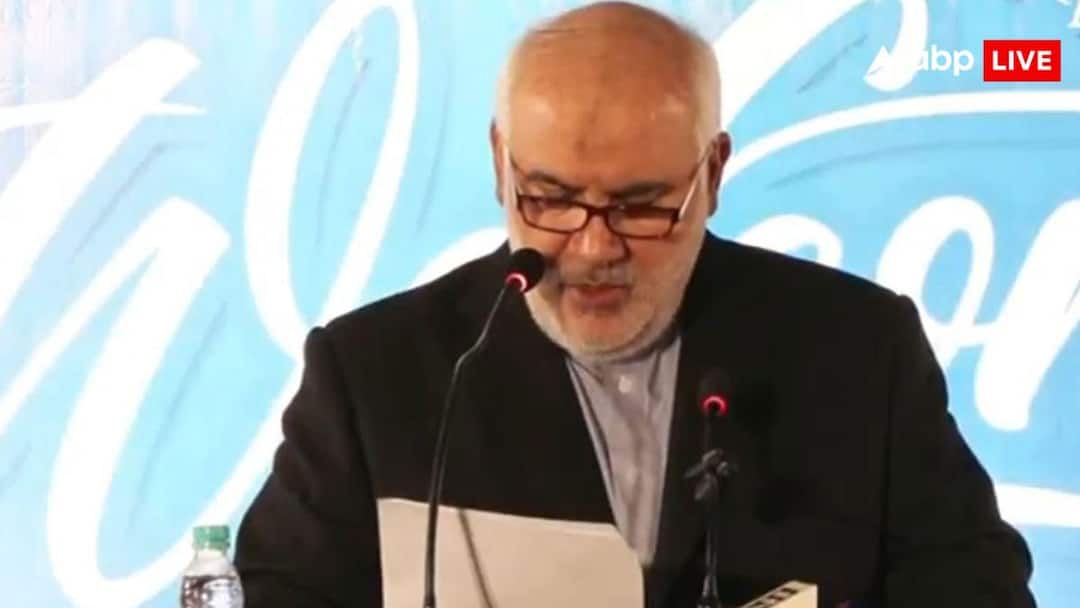
Iranian Foreign Minister Abbas Araghchi told counterparts from Saudi, UAE, Qatar, Kuwait and Bahrain and Iraq that it will use all its defensive and military capabilities under legitimate right of self defense, reuters reported citing post on telegram.
Reuters reported, Araghchi said, “What we are doing is act of self defense, which is absolutely legal and legal and legitimate.”
Iran’s foreign minister further called for the international community to “hold the criminals accountable” after the US and Israel launched a wave of strikes on targets in the Islamic Republic, AFP reported.
In a call with his Russian counterpart, Foreign Minister Abbas Araghchi “stressed the importance of decisive action by the international community, especially the UN Security Council, to stop the aggressive actions and hold the criminals accountable”, according to a readout from the ministry.
‘Iranian armed forces consider…’: Iranian FM
According to a report by AFP, Iran’s barrage of missiles in retaliation to US and Israeli strikes could be heard across much of the region, including in Saudi Arabia, Bahrain, Qatar, Kuwait and the United Arab Emirates, as well as Israel and Iraq, after Tehran vowed it would strike back forcefully if attacked.
“The Iranian armed forces consider as legitimate targets the sites from which the US and Zionist operations were carried out,” Foreign Minister Abbas Araghchi said on Iranian TV.
On Saturday, thick plumes of black smoke were visible over Tehran, including the Pasteur district, where the residence of Ayatollah Ali Khamenei is located. The city also saw a significant security presence deployed across the capital.
According to Iran’s Red Crescent Society, over 20 of the country’s 31 provinces were impacted by the US and Israeli strikes.
In Israel, streets were largely empty as residents sought refuge in shelters, while the explosions of intercepted Iranian missiles echoed across the cities.
Araghchi said he had been in contact with Gulf states and “explained for them that we have no intention to attack them but we are actually attacking the American bases in the act of self defense”, AFP reported.
He added that while there was no communication with Washington now, “if Americans wants to talk to us. They know how they can contact me. We are certainly interested for de-escalation”.
Why has Israel launched strikes on Iran?
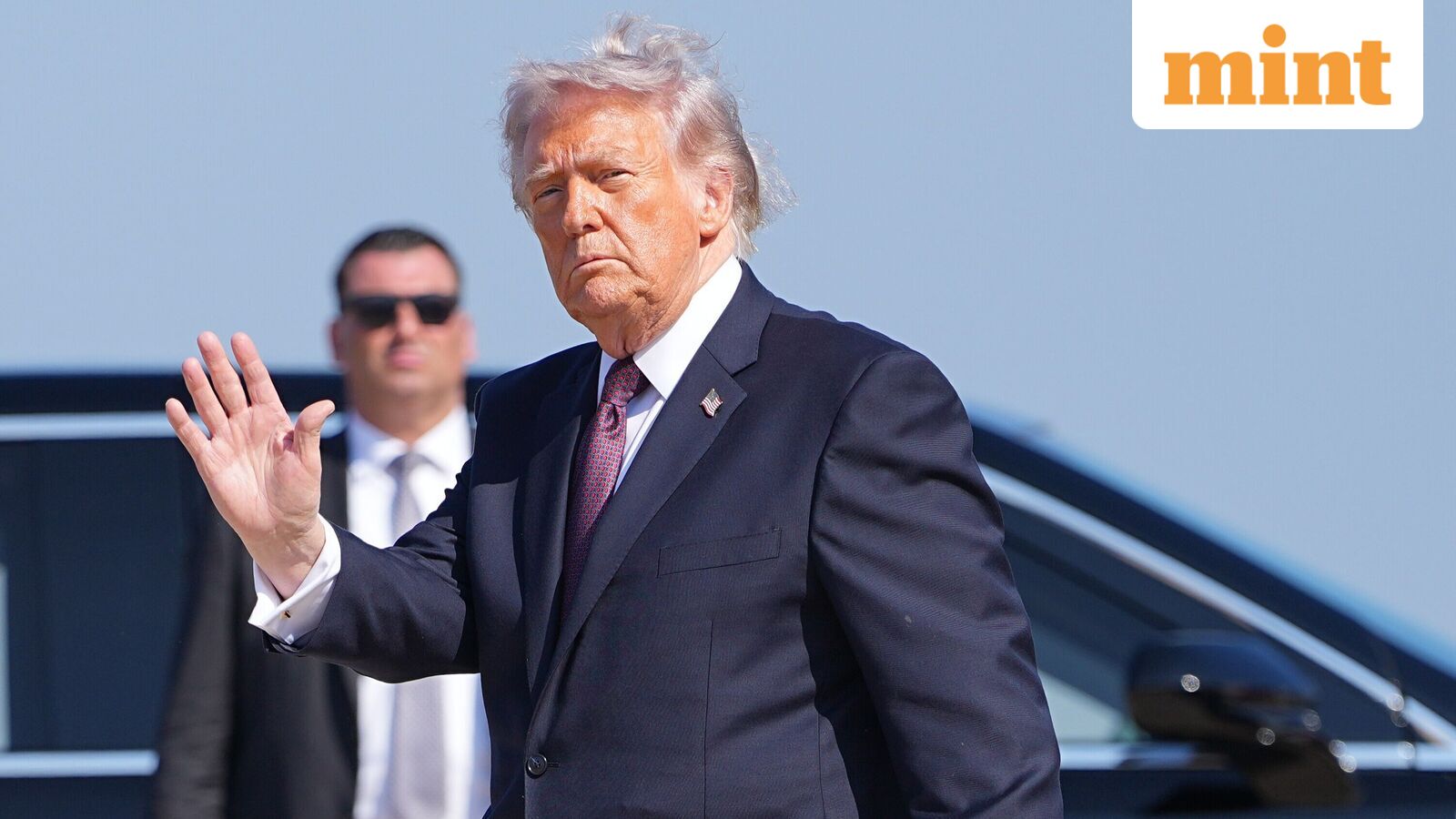
The US-Israel strikes followed Donald Trump’s voicing of frustration over Iran’s position in nuclear and missile program negotiations. Trump stated that Washington’s objective was to “eliminate imminent threats” from Iran.
Meanwhile, Israel’s Defense Minister, Israel Katz, described the operation as a “preventive strike.”
The strikes followed US President Donald Trump expressing frustration over Iran’s position in nuclear and missile program negotiations.
Trump stated that Washington aimed to “eliminate imminent threats” from Iran, while Israel’s Prime Minister Benjamin Netanyahu described the operation as necessary to neutralize an “existential threat.”
What we are doing is act of self defense, which is absolutely legal and legitimate.
The hour of your freedom is at hand.
“We are going to destroy their missiles and raze their missile industry to the ground. It will be totally, again, obliterated. We’re going to annihilate their navy,” Trump said, warning of possible US casualties.
He also told Iranians the “hour of your freedom is at hand”, urging them to rise up and “take over your government”.
Key Takeaways
- The conflict highlights the potential for rapid escalation in military tensions between Iran, the US, and Israel.
- Iran’s military response emphasizes its commitment to self-defense and regional influence.
- International diplomatic efforts are crucial to prevent further escalation and promote stability in the Middle East.