

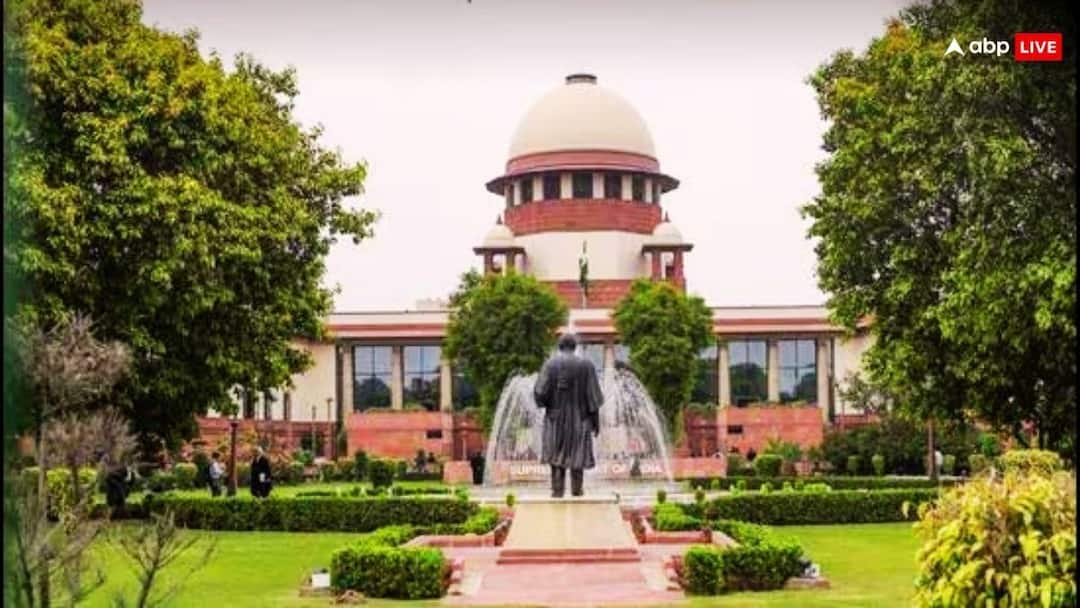
The Supreme Court has given an important decision on the long-running Dearness Allowance (DA) dispute between the West Bengal government and the state employees. The bench of Justice Sanjay Karol and Justice Prashant Kumar Mishra has said that the state government will have to release the outstanding DA of the employees from 2009 to 2019. The judges rejected the arguments related to financial crunch of the state government.
This decision of the Supreme Court has brought great relief to about 20 lakh employees. The court has said that at least 25 percent of the outstanding DA should be given to the employees by March 6. After this, the Supreme Court has directed to form a high-level committee to decide how and in what time frame the remaining amount will be paid.
It has been said in the order that the committee will be headed by former Supreme Court judge Justice Indu Malhotra. Former Chief Justice of Jharkhand High Court Tarlok Singh Chauhan and former Chief Justice of Chhattisgarh High Court Gautam Bhaduri will be members of the committee. Apart from these, the Comptroller and Auditor General of India (CAG) or a senior officer nominated on his behalf will also be in the committee.
The Supreme Court has asked the committee to file the report by May 16. The next hearing of the case will also take place on the same day. The Mamata Banerjee government of the state had said that giving increased DA would put a financial burden of about Rs 43 thousand crore on it, but the court has rejected this argument. The court said that dearness allowance is the right of the employees, not a favor. Employees cannot be deprived of their legal rights due to the poor financial condition of the government.
Keep in mind that first of all the West Bengal State Administrative Tribunal had ordered that like other states of the country, there should be dearness allowance for the employees in West Bengal too. In May 2022, the Calcutta High Court had ordered the state government to pay the DA pending since July 2009 within three months. This order was challenged by the Mamata Banerjee government in the Supreme Court.

