

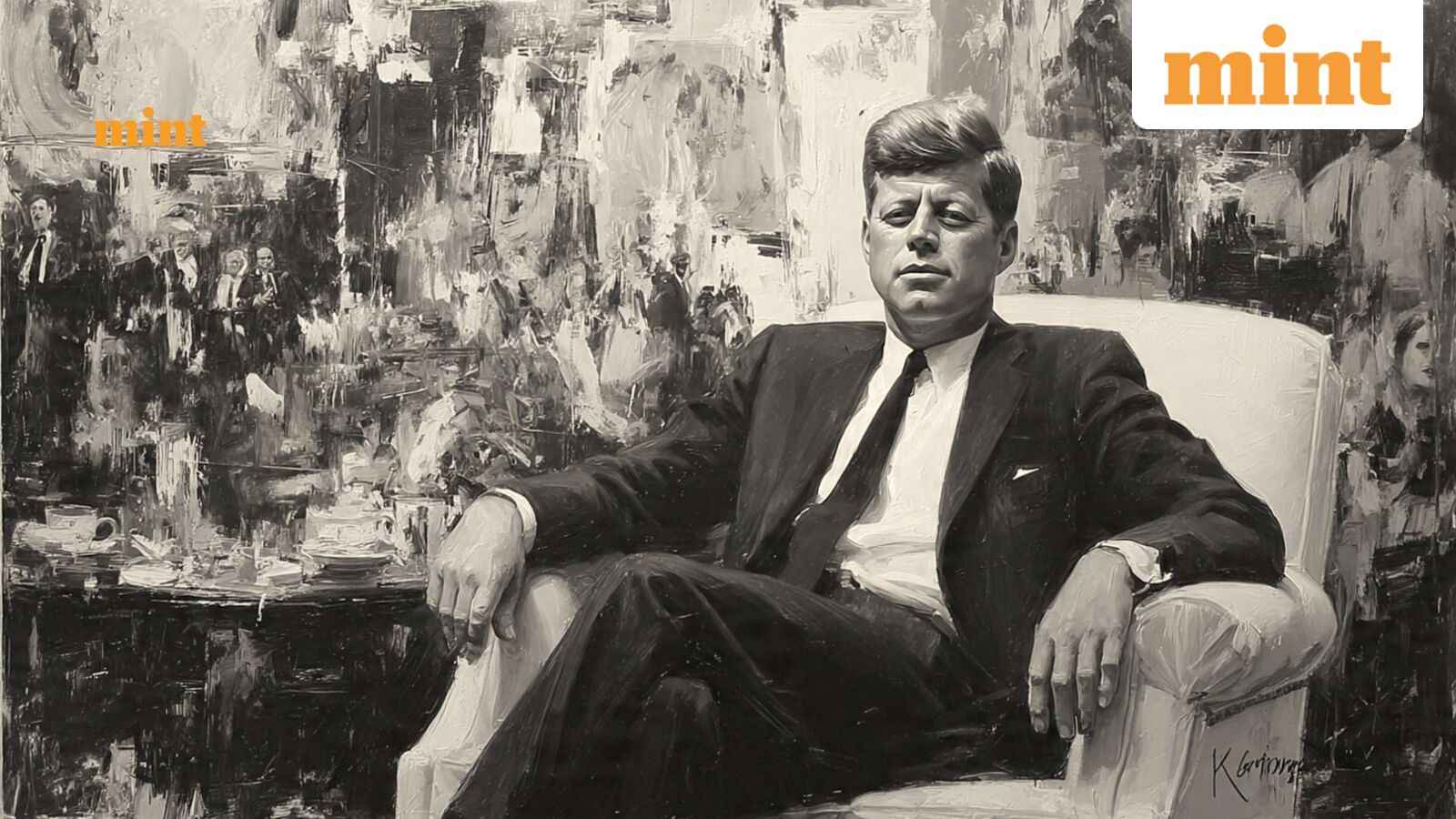
“Mankind must put an end to war. Or, war will put an end to mankind.”
This stark warning by John F Kennedy was delivered on 25 September 1961 at the United Nations General Assembly in New York. The world was deep in the Cold War. The United States and the Soviet Union were locked in a nuclear arms race. The fear of total destruction was real.
Kennedy, who was assassinated during the peak of his tenure, did not speak in poetic exaggeration. He spoke in cold clarity. Nuclear weapons had changed the meaning of conflict. For the first time in history, war was no longer just about borders or power. It carried the possibility of human extinction.
The quote moves the conversation from strategy to survival. Earlier wars, however brutal, did not threaten the entire planet. By 1961, that assumption was gone. A single decision, a single miscalculation, could wipe out cities within minutes.
The Democrat politician’s message was not simply anti-war. It was existential. He framed peace not as idealism but as necessity. If humanity failed to control violence, violence would control humanity’s fate.
What it means
John F Kennedy presents a choice. Either humans consciously reduce conflict, or conflict will escalate beyond control. The statement is structured like a warning sign. Clear. Direct. Urgent.
Ending war does not mean eliminating disagreement. Nations will always have competing interests. It means building systems that prevent disputes from turning into destruction.
In 1961, the immediate concern was nuclear weapons. Today, the warning still applies. Military technology has grown more advanced. Weapons are faster, more precise and more deadly. Cyber warfare, autonomous drones and artificial intelligence add new risks.
The quote suggests responsibility is collective. No single nation can secure peace alone. Cooperation becomes a survival strategy, not a moral luxury.
Kennedy’s line also carries moral weight. War is not an abstract policy. It affects ordinary lives. Families are displaced. Economies collapse. Generations inherit trauma.
Where it comes from
Kennedy delivered this speech during a tense phase of the Cold War, only a year before the Cuban Missile Crisis. His address to the United Nations urged both superpowers to step back from confrontation.
He called for general and complete disarmament under international control. He proposed strengthening the United Nations as a platform for dialogue rather than for aggression.
The speech was part of a broader attempt to reduce global tension. Kennedy recognized that pride and fear could push leaders toward irreversible decisions. His appeal was for reason over rivalry.
In historical hindsight, his warning feels prophetic. The Cuban Missile Crisis in 1962 brought the world close to nuclear war. That moment proved how fragile peace could be.
How to apply it today
Takeaway 1: Support dialogue over escalation in political disagreements.
Takeaway 2: Recognize that technological power demands ethical restraint.
Takeaway 3: Understand that global problems require shared responsibility.
Peace is not passive. It requires planning, compromise and patience.
Kennedy’s words remain relevant because the stakes remain high. Humanity still possesses the tools to destroy itself. The choice he described has not disappeared.
Either mankind limits war. Or war limits mankind.
Related readings
Profiles in Courage by John F Kennedy
Explores moral decision-making in public life.
The Cold War by John Lewis Gaddis
A detailed account of global tensions that shaped nuclear politics.
Nuclear War: A Scenario by Annie Jacobsen
Examines how modern nuclear conflict could unfold.
The Doomsday Machine by Daniel Ellsberg
A personal account of nuclear strategy and its dangers.

