

“War is an instrument entirely inefficient toward redressing wrong; and multiplies, instead of indemnifying losses.” Thomas Jefferson
Thomas Jefferson, the third President of the United States, was a profound critic of military conflict and had asserted that war does not correct injustices — instead, they exacerbate suffering.
LiveMint’s quote for the day serves as a timeless reminder that the costs of violence almost always outweigh the perceived benefits of victory.
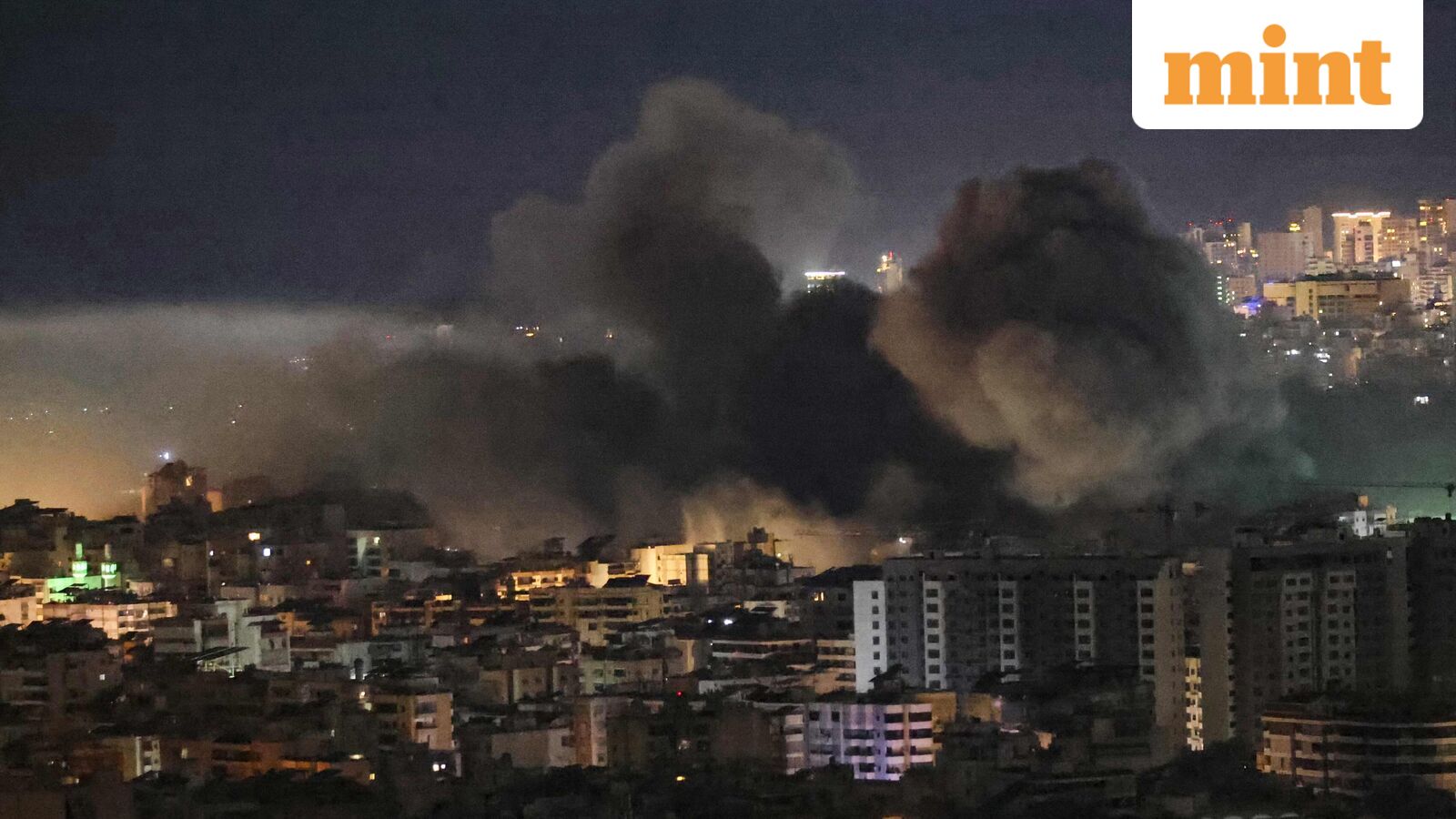
It holds especially true in the current time, when the conflict in West Asia has heightened as Iran is bombarding the Gulf nations in retaliation for strikes launched by the US and Israel.
Since the start of the war, Iran has fired at least 380 missiles and over 1,480 drones targeting the five Arab Gulf countries, according to an AP tally based on official statements. At least 13 people have been killed in those countries, according to local officials. In addition, six US soldiers were killed in Kuwait on Sunday.
What does the quote mean?
At its core, Thomas Jefferson’s statement is a pragmatic rejection of war as a tool for justice. He argued that when a nation attempts to use military force to right a perceived wrong, the process is fundamentally inefficient. Rather than providing a remedy or recovering what was lost, war generates a cycle of further destruction.
Jefferson emphasized that the losses incurred, including human life, economic stability, and social cohesion, can never be fully compensated by the outcome of a battle.
To him, war is a mathematical and moral failure that creates more problems than it solves.
How to apply it today?
Thomas Jefferson’s words serve as a reminder to world leaders that they should prioritize diplomatic negotiation as the primary means of conflict resolution to avoid the compounded costs of violence.
The quote also urges the decision-makers to conduct a rigorous cost-benefit analysis before engaging in any form of aggressive competition — recognizing that hidden losses often emerge later.
The former US President wanted individuals and organizations to foster open communication and mutual understanding to prevent the escalation of minor grievances into large-scale disruptions.
Where does the quote come from?
Thomas Jefferson wrote this bit in a letter written to Archibald Stuart, a close political ally and friend, on 13 February 1798. During this period, the young American republic was navigating complex international tensions, particularly with France during the Quasi-War era.
Jefferson expressed his deep skepticism toward the growing push for military engagement at the time. He advocated for a more cautious and reasoned approach to foreign policy, prioritizing trade and negotiation over the destructive nature of the battlefield.
About Thomas Jefferson
Thomas Jefferson was a central figure in the founding of the United States, serving as the principal author of the Declaration of Independence and the nation’s third president.
While he is often remembered for the Louisiana Purchase, his legacy is deeply rooted in his role as a proponent of enlightenment ideals and diplomacy.
As a statesman, he frequently argued against the maintenance of large standing armies and cautioned against entangling alliances that could lead to unnecessary warfare.
His vision for America was one of a peaceful nation that led through commerce and intellectual influence rather than military force.
