

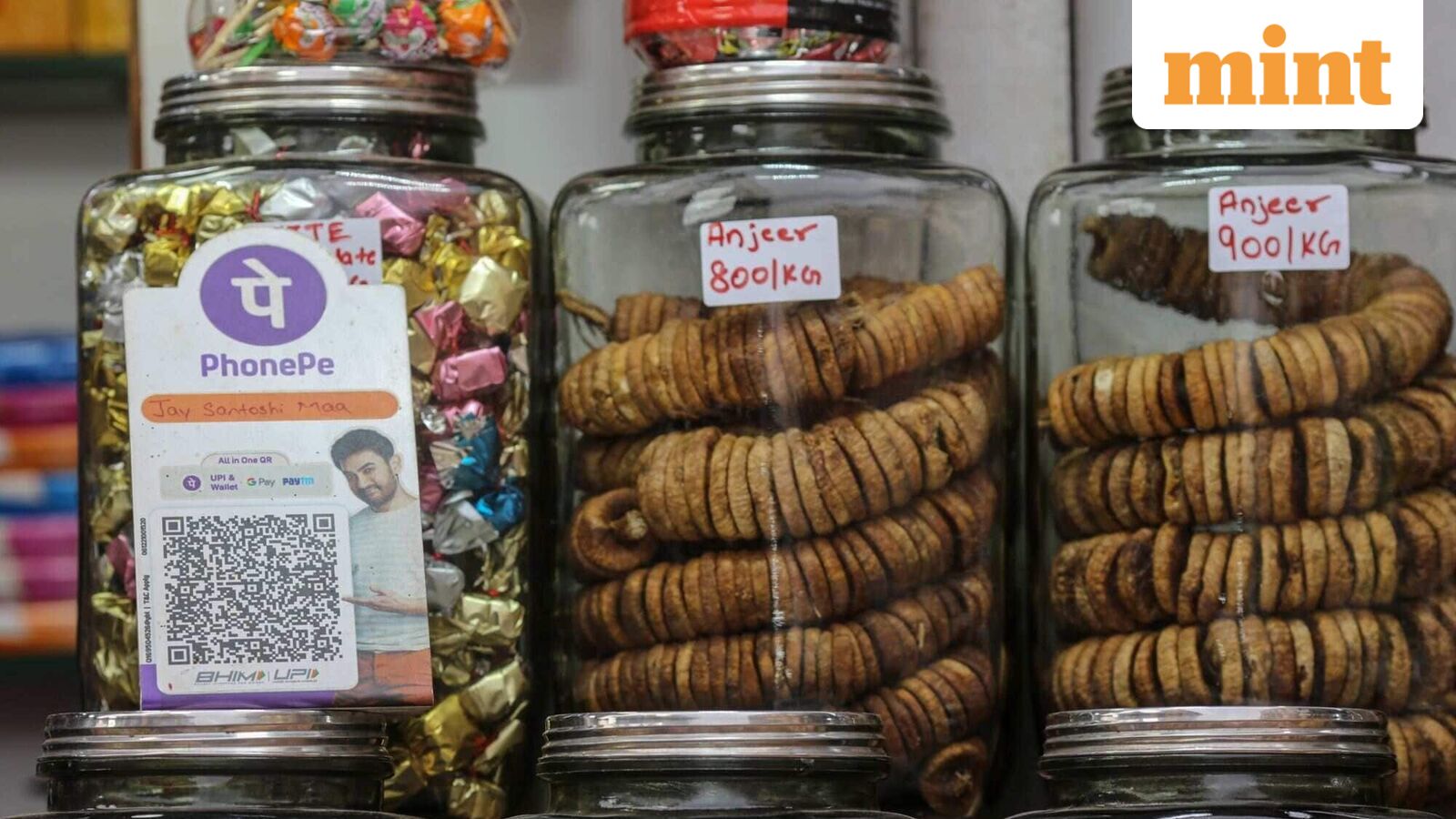
In light of the recent approval from the Securities and Exchange Board of India (SEBI), PhonePe has submitted its Updated Draft Red Herring Prospectus (UDRHP), bringing it a step closer to its much-anticipated public offering. The company, which first filed confidential IPO documents in September 2024, is expected to enter the markets soon.
As per the UDRHP, the public offering will include an offer for sale of up to 50,660,446 equity shares, led by the primary stakeholder Walmart, along with other prominent investors such as Tiger Global and Microsoft.
PhonePe dominates the UPI industry in India, accounting for more than 48% of the market share based on transaction value, having handled 9.8 billion transactions just in December, according to the most recent information from NPCI. The company has experienced steady revenue growth due to multiple income streams in recent years, all while continuing to improve its financial performance.
IPO-bound PhonePe’s draft red herring prospectus (DRHP) illustrates a significant difference in Adjusted EBITDA performance between its primary PhonePe Platform and the New Platforms segment.
The PhonePe Platform, encompassing consumer payments, merchant payments, and the distribution of lending and insurance, has demonstrated a marked enhancement in profitability. This segment faced an Adjusted EBITDA loss of ₹260.7 crore in FY2023, which transformed into a profit of ₹838.9 crore in FY2024 and further rose to ₹1,931.8 crore in FY2025.
In the first half of FY2025, the platform achieved ₹779.1 crore, while H1 FY2026 recorded ₹Rs 524.1 crore. Overall, the core payments business has enhanced operating profitability by approximately ₹2,192.5 crore over the span of two years.
The New Platforms segment, which includes Share.Market and Indus Appstore, continues to incur losses as the company prioritizes growth initiatives. In FY2023, adjusted EBITDA losses for this segment were ₹114.8 crore, increasing to ₹187.1 crore in FY2024, and rising further to ₹454.7 crore in FY2025.
Losses amounted to ₹274.3 crore in the first half of FY2025 and ₹270.2 crore in the first half of FY2026. This trend indicates that the overall consolidated losses are primarily the result of strategic investments in new ventures, while the core payments platform is delivering robust operating profit.
How the payments business actually makes money
PhonePe’s DRHP details various revenue streams that allow the company to generate income from its payments ecosystem, notwithstanding the zero Merchant Discount Rate (MDR) policy applied to UPI transactions. One significant revenue source comes from transaction processing fees on person-to-person (P2P) transfers, which partner banks pay each time a transfer is executed on the platform.
Furthermore, the company collects processing fees from services including mobile recharges, bill payments via the Bharat Bill Payment System, purchases of digital gold and silver, travel bookings, and transit payments, where telecom operators, travel firms, and billers compensate with either a percentage or a fixed fee for every transaction. Additionally, PhonePe imposes platform or convenience fees on consumers for certain services.
The firm also gains advantages from government incentives for UPI merchant transactions under ₹2,000 via partner banks. In addition, funding from the Reserve Bank of India through the Payment Infrastructure Development Fund (PIDF) produced ₹198.23 crore in FY2025 and ₹167.49 crore in the six months ending September 2025, aiding the installation of payment devices in underbanked areas.
The Cost Structure
PhonePe’s DRHP outlines the extent of payment processing fees paid to partner banks, payment service providers (PSPs), and acquiring processors. These expenses increased from ₹666.97 crore in FY2023 (11.29% of total expenditures) to ₹1,166.44 crore in FY2024, and then to ₹1,688.18 crore in FY2025, while the first half of FY2026 recorded ₹1,090 crore, making up 17.96% of expenses.
In FY2025, the company achieved ₹6,497.94 crore in revenue from payment services, including incentives, against processing fees of ₹1,688.18 crore, resulting in a gross contribution of approximately ₹Rs 4,809.7 crore before accounting for additional costs. The processing fees differ depending on the payment method, with wallet and credit card transactions incurring higher fees compared to standard UPI transfers.
The trajectory that the numbers show
PhonePe’s revenue from consumer payments surged at a compound annual growth rate (CAGR) of 36.6%, increasing from ₹2,416.3 crore in FY2023 to ₹4,506.9 crore by FY2025. The primary platform transitioned from an Adjusted EBITDA deficit of ₹260.7 crore to a profit of ₹1,931.8 crore, achieving an EBITDA margin of 20.76% and generating ₹190.5 crore in free cash flow in FY2025.
Disclaimer: The views and recommendations made above are those of individual analysts or broking companies, and not of Mint. We advise investors to check with certified experts before making any investment decisions.

