

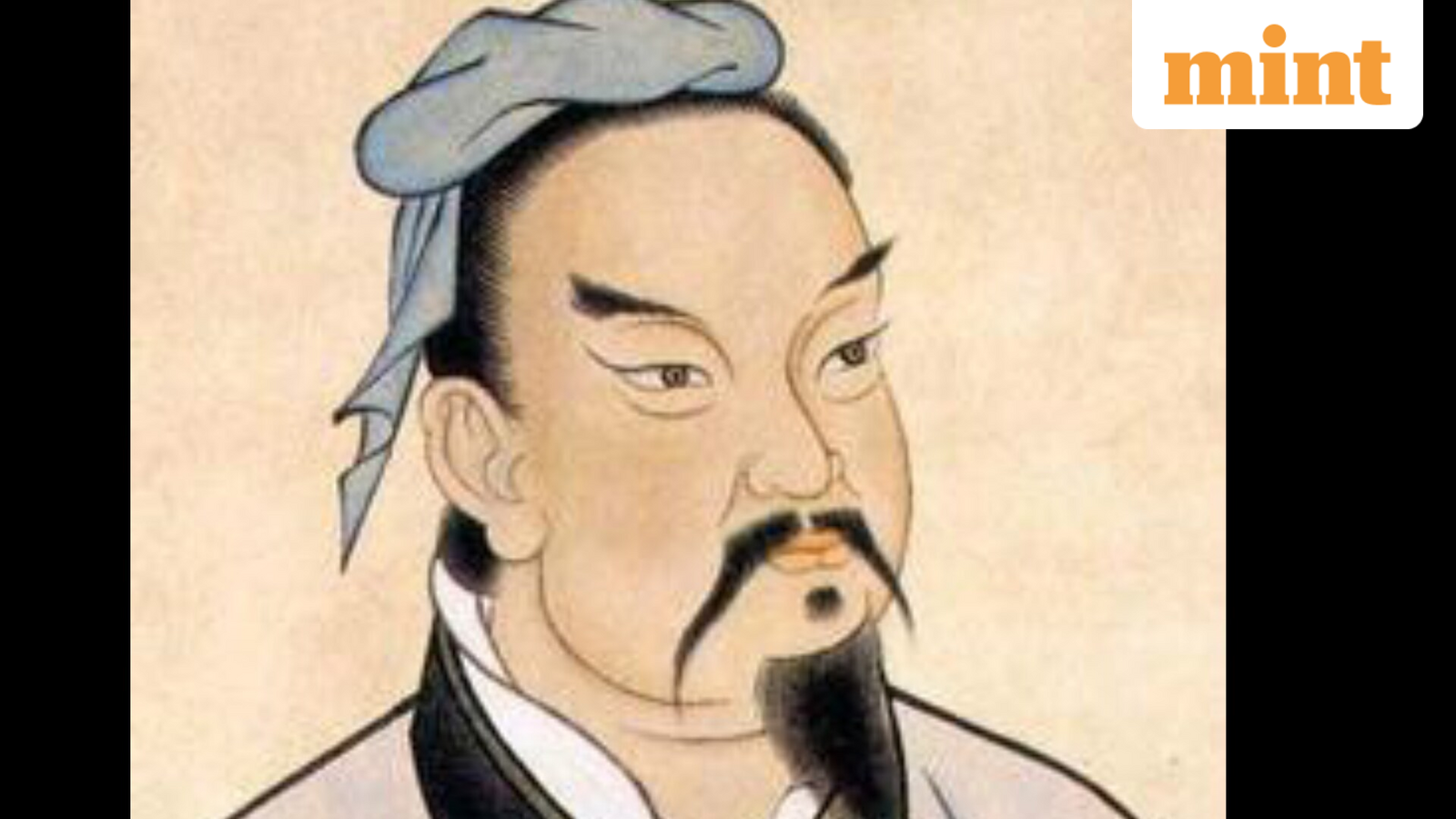
“If you know the enemy and know yourself, your victory will not stand in doubt.”
This famous quote from Sun Tzu’s classic book The Art of War has been regarded as one of the most long-lasting leadership and strategic lessons in history. The line, although written in the context of warfare more than two millennia ago, continues to resonate in politics, business, and everyday decision-making.
What does “know the enemy” truly mean?
In strategic thinking, knowing the enemy does not end with recognizing who the enemy is. Therefore, it involves getting information on what their weaknesses are, what their key strengths are, what motivates and drives them, what their likes and dislikes are, and what are their future moves most likely to be. With careful observation of an opponent, a leader can anticipate actions before they are unfolded—this is the basis for strategic thinking (Sun Tzu). In modern terms, intelligence gathering, analysis, and preparation are the equivalent.
Why is “knowing yourself” equally important?
Sun Tzu places an equal emphasis on knowing oneself. Sun Tzu puts as much emphasis on being self-aware. Knowing oneself requires that a person be aware of his weaknesses that the enemy can exploit or attack.
How does this combination remove doubt about victory?
The quote argues that there is certainty in victory when both forms of knowledge are in conjunction. With certainty about the opponent’s tactics and no illusions about one’s own standing, the chances of being taken by surprise are reduced to zero. Surety of victory comes when both kinds of knowledge exist in combination, argued one of the quotes, by knowing the opponent’s tactics as a strategist as well as maintaining a realistic view on one’s own position that leaves the possibilities of being taken by surprise at the minimum.
Why does the idea remain relevant today?
Although written at the time of ancient warfare, the principle has found relevance far beyond the battlefield. Success in business competition, diplomatic negotiations, and even personal conflicts depends on two things: a clear awareness of the opposition and an honest evaluation of one’s own capabilities.
Who was Sun Tzu?
Sun Tzu, emerging from China’s late Spring and Autumn era, was a military theorist, philosopher, and author best recognized for composing The Art of War (5th century BC), the most ancient military handbook in existence. Although specifics regarding Sun Tzu’s formative years remain sparse, it is commonly accepted that he served as a high-ranking military general under King Helu of Wu, becoming a deeply respected military icon in Chinese and East Asian history.

