

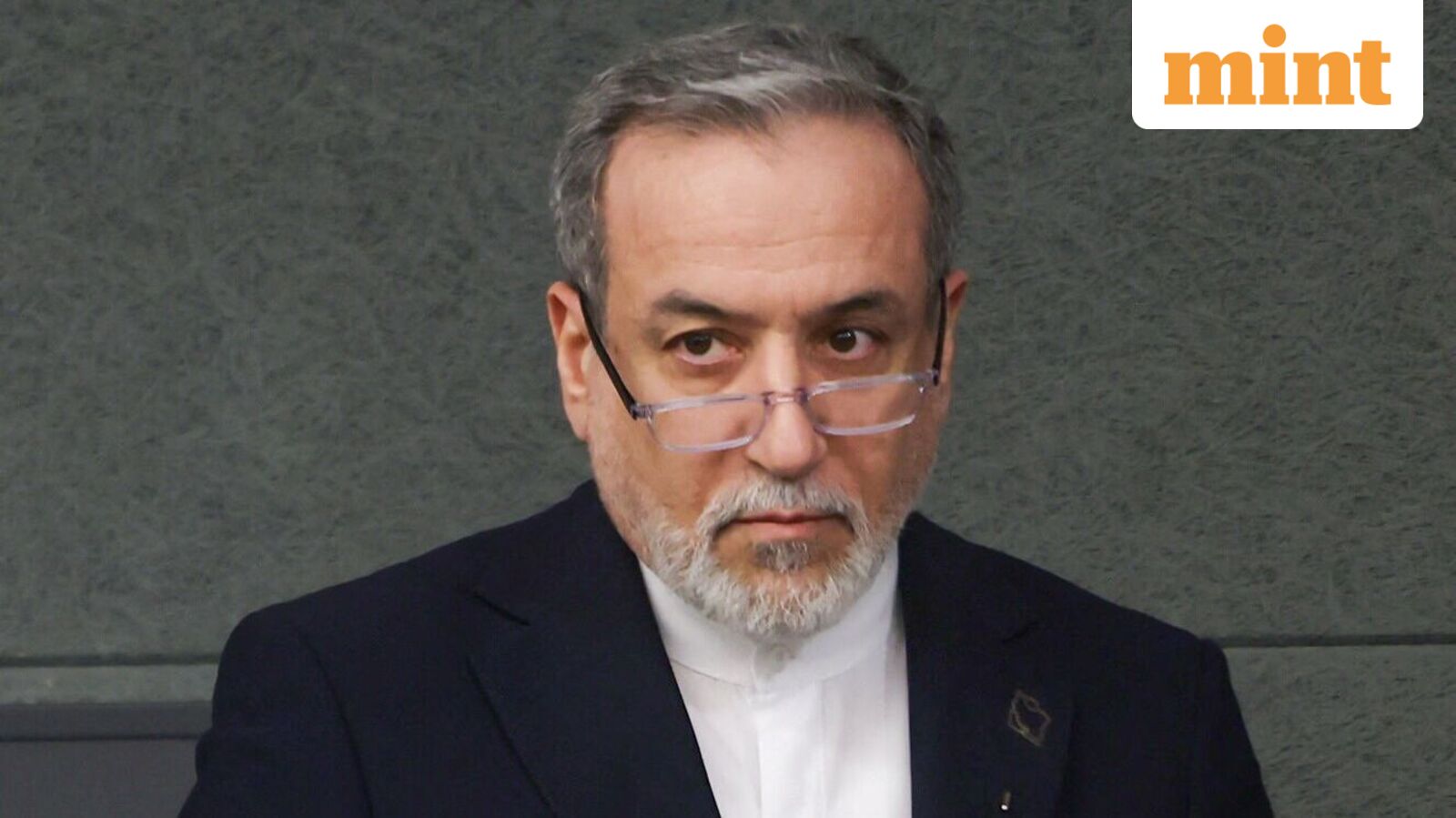
US-Iran War: Even as bombs fall and official denials multiply, a slender diplomatic thread appears to have been quietly rewoven between Washington DC and Tehran. A communications channel linking US envoy Steve Witkoff and Iranian Foreign Minister Abbas Araghchi has reportedly been reactivated in recent days, according to an axios report citing an US official and a separate official with direct knowledge of the matter.
The development, if confirmed, however fragile and contested, represents the first point of contact between the two sides since the US-Iran war erupted more than a fortnight ago.
What the Messages Said? Who Sent Them First?
According to the axios report citing the US official and the official familiar with the exchanges, it was Araghchi who initiated contact, sending text messages to Steve Witkoff that centered on bringing the war to a close.
The account contradicts an earlier report by Drop Site Newspublished on Monday, which claimed Steve Witkoff had been the one reaching out, and that Iranian officials had suggested Araghchi was simply ignoring the White House envoy.
The US official flatly rejected Araghchi’s version of events, stating that it was the Iranian foreign minister who initiated the contact, even as Washington DC insisted it is “not talking” to Iran in any formal sense.
Araghchi Denies Contact; Washington DC Says He Is Lying
Araghchi moved swiftly to rebuff the axios report after it was published, taking to
The US official, when axios asked about that statement, did not mince words: the Iranian foreign minister was lying, and it was he who had reached out first
Trump Acknowledges Talks but Questions Iranian Authority
President Donald Trump, speaking to reporters on Monday, confirmed that Iran had been in communication with the US side, whilst casting doubt on whether those doing the talking were empowered to reach any binding agreement.
“They want to make a deal. They are talking to our people… we have people wanting to negotiate, (but) we have no idea who they are,” Trump said.
Despite expressing skepticism about Tehran’s readiness to conclude a deal, Trump left the door open. “Sometimes good things come out of it,” he noted.
The US President also pointed to the chaos within Iran’s leadership structure, observing that many senior officials have been killed and that the country’s newly installed supreme leader, Mojtaba Khamenei, had not been seen publicly and may, he speculated, be dead.
Washington’s Position: No Deal From Weakness
A senior US official sought to draw a clear line around what any eventual agreement could look like. Iran’s insistence on “reparations” as a prerequisite was dismissed out of hand. What Trump would entertain, the official said, was a framework that would allow Iran to “integrate with the rest of the world and make money from their oil.”
“The president is always open to a deal. But he’s not negotiating from a position of weakness. He’s not backing away from the reasons this conflict started,” the official said.
Tehran’s Public Stance: No Ceasefire Without Guarantees
Iranian officials have, for their part, maintained publicly in recent days that no ceasefire negotiations are under way with the Trump administration.
Their stated position is that a temporary pause in fighting is unacceptable – a short truce, they argue, would merely afford Washington DC and Tel Aviv an opportunity to regroup and strike again.
What Tehran says it demands instead is a permanent settlement with credible guarantees of durability.
Who Actually Speaks for Iran Right Now?
One complicating factor hanging over all of this is the fractured state of Iranian decision-making. US officials do not believe Araghchi has the authority to commit to anything. Before the war, he was not regarded as a central power broker; that assessment has not changed.
Yet Araghchi appears to be operating in coordination with Ali Larijani, secretary of Iran’s Supreme National Security Council, who has effectively assumed the role of civilian leader following the assassination of former supreme leader Ali Khamenei. That coordination gives the foreign minister a degree of institutional backing, even if his formal authority remains limited.
For the US side, Araghchi remains the preferred point of contact for a straightforward reason: they have a working relationship with him built before the conflict, and — unlike many of his colleagues — he is still alive.

