

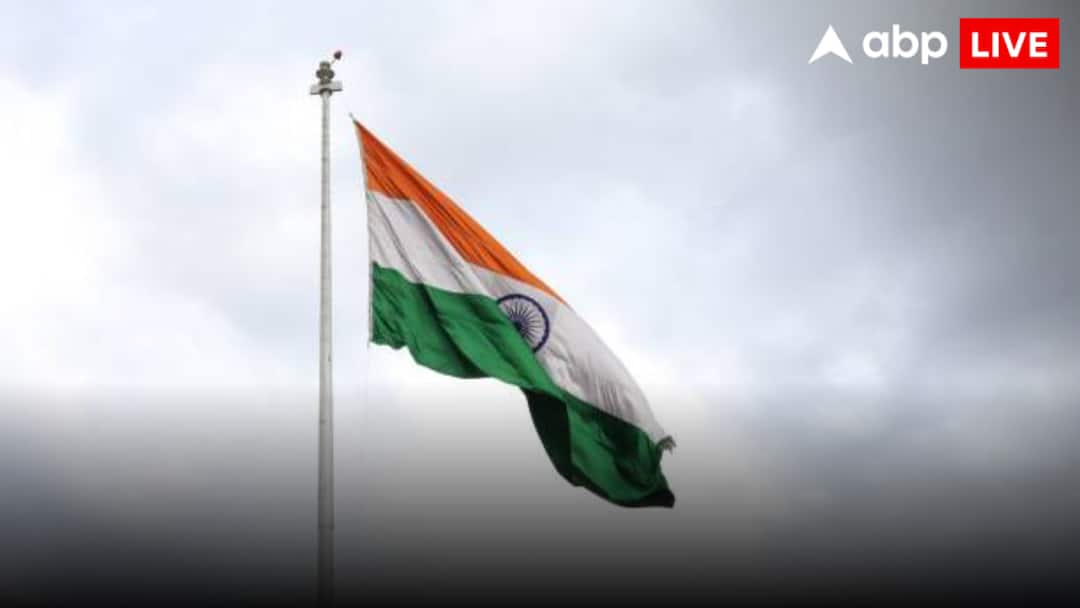
India is going to celebrate its 77th Republic Day on 26 January 2026. This day holds special significance in the history of Indian democracy, because on this day in the year 1950, the Constitution came into force in the country and India became a sovereign republic. The grand parade held every year on the duty path, tableaux of the states and the fly-past of the Indian Air Force have become the hallmark of this national festival.
Meanwhile, a question often arises in the minds of common people whether the tricolor is hoisted or opened on Republic Day. In common language both the words sound similar, but from national tradition and constitutional point of view their meanings are different.
Difference of tricolor tradition between Republic Day and Independence Day
In India, every process related to the national flag is done according to the set protocol and historical traditions. 26 January and 15 August, both are national festivals, but the way of displaying the tricolor is different on these days. The Tricolor is unveiled on Republic Day, while the Tricolor is hoisted on Independence Day. This difference is not just about words, but is related to India’s political journey and power structure.
What is the meaning of opening the tricolor
Opening the tricolor means that the national flag is already tied on the top of the flagpole. During the ceremony, it is opened with the help of a rope, due to which the flag is completely spread and visible in all its three colors. This tradition is followed on Republic Day. On this occasion the President of India opens the tricolor flag. This symbolizes that the Constitution of the country is already in existence and the system of the Republic is fully established. The President, who is the constitutional head of the country, represents the same system.
The tradition of hoisting the tricolor and its symbolic meaning
Hoisting the tricolor means pulling the flag upwards from the ground to the top of the flagpole. The same procedure is followed on Independence Day. India got independence from British rule on 15 August 1947. To mark that historical moment, the Prime Minister hoists the tricolor from the bottom up. It is considered a symbol of the journey and struggle for freedom from slavery.
Fixed order of Republic Day celebrations
The main function of Republic Day is organized at Dutva Path in New Delhi. The Tricolor is opened by the President at the scheduled time in the morning. After this, the national anthem Jana Gana Mana is sung and the artillery regiment of the Indian Army gives a 21-gun salute. After this, the Republic Day Parade begins, in which contingents of the Army, Navy and Air Force participate. Cultural tableaux of various states and union territories reflect the diversity and development of India. The ceremony concludes with the fly-past of the Air Force.
Chief Guest and Theme of Republic Day 2026
This time there will be a special presence at the international level in the 77th Republic Day celebrations. Two top leaders of the European Union will be the chief guests of this event. These include European Council President Antonio Costa and European Commission President Ursula von der Leyen. The theme of this year’s Republic Day has been kept as Mantra of Independence: Vande Mataram and Mantra of Prosperity: Self-reliant India, which reflects the self-reliance and national pride of the country.
Constitutional message of opening the tricolor on Republic Day
Unfurling the Tricolor on 26 January gives the message that India is now a full-fledged republic, where power flows according to the Constitution and the highest post is with the President. This tradition is a symbol of continuity, stability and constitutional strength of Indian democracy.
Also read: Gujarat Murder Case: Big revelation in high-profile case, nephew of Shaktisingh Gohil murdered his wife, then committed suicide

