

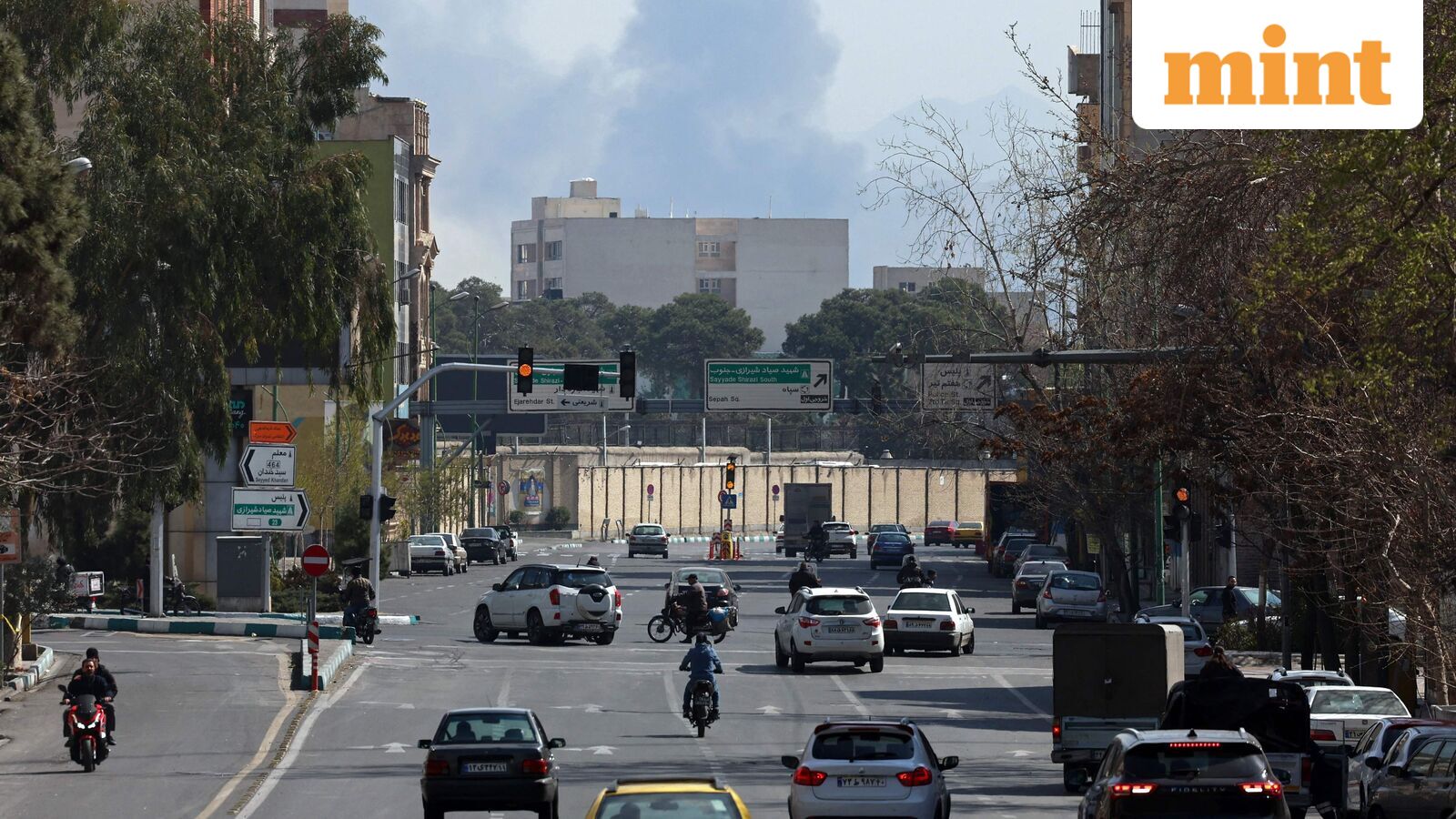
The conflict in the Middle East has reached a critical tipping point as the United States and Israel intensify their joint military campaign against Iranian power structures, reported Associated Press.
US Defense Secretary Pete Hegseth on Wednesday confirmed the sinking of an Iranian warship in international waters, marking a significant escalation as Tehran threatened a total assault on the region’s military and economic infrastructure.
Iran’s paramilitary Revolutionary Guard issued its most-intense threat yet, saying the strikes against it would “cost the complete destruction of the region’s military and economic infrastructure.”
In a Pentagon briefing, Secretary Hegseth revealed that a US submarine utilized a torpedo to sink an Iranian naval vessel. He noted that this Tuesday night operation represented the first such strike on an enemy surface ship since World War II.
“An American submarine sank an Iranian warfare that thought it was safe in international waters,” Hegseth said. “Instead, it was sunk by a torpedo.”
While the vessel was not officially named by the USreports from Sri Lankan authorities indicated that an Iranian ship sank off their coast. While 32 crew members were rescued, others are confirmed to have perished.
The ‘Ramadan War’
The intensity of the bombardment has forced Iranian state television to postpone the mourning ceremonies for Supreme Leader Ayatollah Ali Khamenei, who was killed earlier in the conflict. The delay stands in stark contrast to the millions who attended the 1989 funeral of his predecessor, Ayatollah Khomeini.
State media has now dubbed the conflict the “Ramadan War,” a term suggesting that leadership is preparing the citizenry for a long-term struggle during the holy fasting month.
Adm. Brad Cooper, the top US military commander in the Middle East, echoed that sentiment, saying: “We’ve just begun.”
Israeli strikes have specifically hit buildings linked to the Basij (the Revolutionary Guard’s volunteer paramilitary) and internal security commands.
Bombing was reported in the seminary city of Qom, specifically targeting a building used by the clerical panel responsible for selecting the next Supreme Leader.
Over 1,045 people have been killed in Iran, with reports of ruins in central Tehran.
Regional impact
The fifth day of the war saw the conflict spread far beyond the borders of the primary belligerents.
Israel continues to pound Hezbollah targets near Beirut.
Iran launched retaliatory fire toward Bahrain—home to the US Navy’s 5th Fleet—as well as Kuwait and Israel.
NATO defenses successfully intercepted an Iranian ballistic missile before it breached Turkish airspace.
Casualties on the rise
The human and economic cost of the war is rising rapidly — Iran (1,045), Lebanon (over 50), Israel (11), and the United States (6).
Beyond the loss of life, the war has severely disrupted global oil and gas supplies, paralyzed international shipping lanes, and left hundreds of thousands of travelers stranded across the Middle East.
US and Israeli officials state that while the damage to Iran’s air defenses and missile launchers has led to a decline in launch frequency, the exchange remains unrelenting. Explosions continue to echo over Jerusalem as Hezbollah and Iran maintain a steady stream of rocket and missile fire.

