

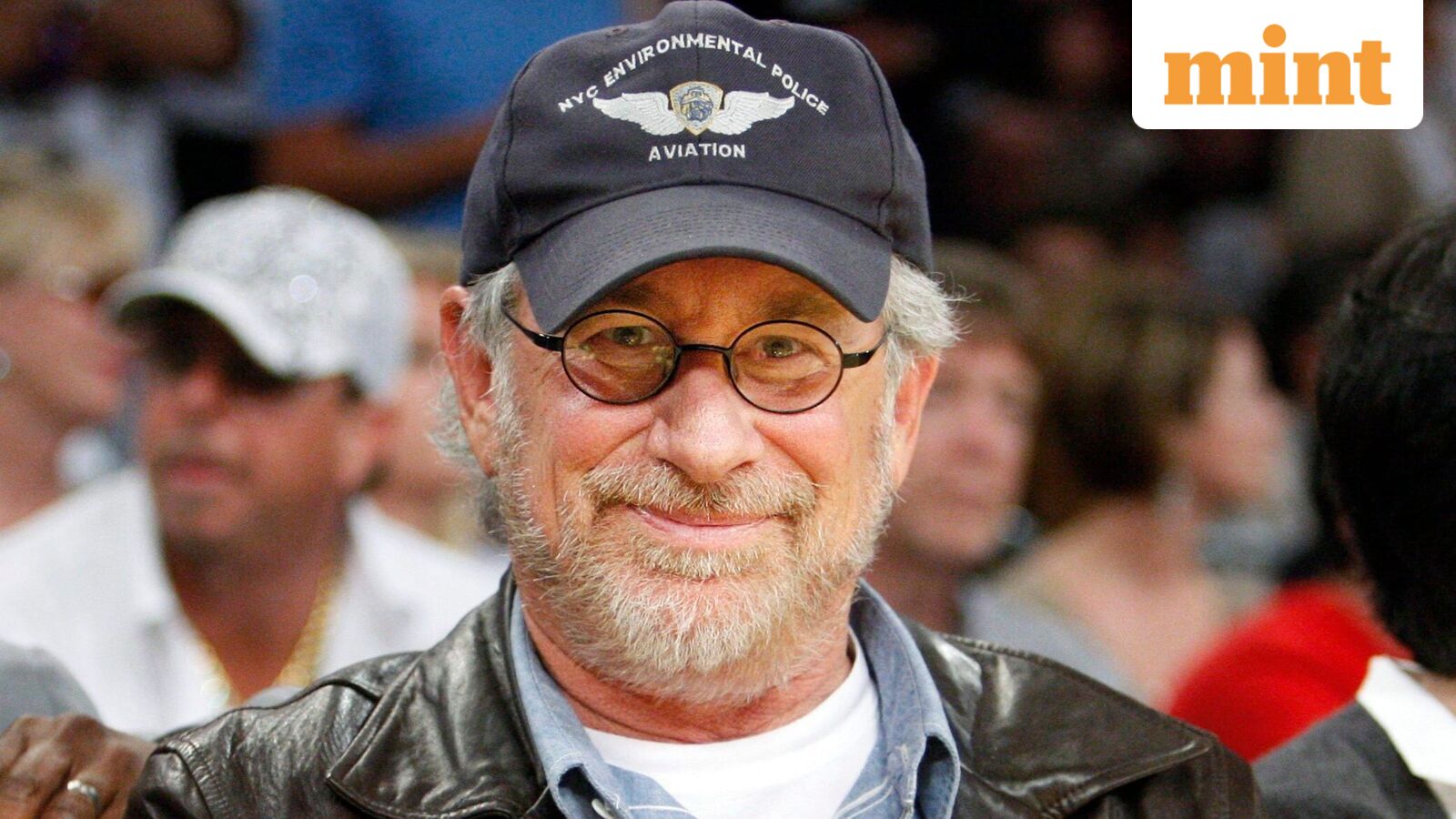
Hollywood filmmaker Steven Spielberg, known for iconic films such as Jurassic Park, Schindler’s List and ET the Extra-Terrestrial, has often spoken about the responsibility that comes with creative freedom. In LiveMint’s Quote of the Day, we highlight his reflection on the delicate balance between freedom of expression and ethical restraint — a topic that continues to gain relevance in the age of AI-powered technology and digital media.
“There is a fine line between censorship and good taste and moral responsibility.”
What the quote implies
Spielberg’s quote highlights a long-standing debate in creative industries and media: where should the line be drawn between freedom of expression and responsible content creation?
Censorship generally refers to external restrictions imposed by authorities or institutions to control what can be shown or shared. However, Spielberg’s remark suggests that creators themselves also carry a moral responsibility. Exercising judgment, restraint, and sensitivity can help prevent harmful or intrusive content without the need for heavy-handed censorship.
In essence, the quote argues that ethical self-regulation is often more effective than enforced restrictions. Artists, filmmakers, journalists, and technology companies all influence public discourse and cultural norms. With that influence comes the responsibility to consider the impact of what they produce or distribute.
The idea has taken on new meaning in the digital age, where emerging technologies blur the boundaries between private life and public content. A recent controversy involving Meta Platforms illustrates this challenge.
The UK’s data protection regulator, Information Commissioner’s Office, has reportedly contacted the company following concerns that outsourced workers may have reviewed sensitive footage recorded by Ray-Ban Meta Smart Glasses.
According to an investigation by Swedish newspapers Svenska Dagbladet and Goteborgs-Posten, contractors reviewing footage for quality checks could sometimes access highly personal moments captured by users. One worker was quoted as saying: “We see everything – from living rooms to naked bodies.”
Meta said the review process helps improve the product experience and that privacy protections are in place. The company noted that user content is filtered and that measures such as face-blurring are sometimes used to protect identities.
Still, the incident raises broader ethical questions about how companies handle sensitive data collected through new technologies. Devices like AI-powered glasses can capture moments from everyday life — sometimes without the awareness of everyone involved.
Seen through Spielberg’s lens, the issue becomes less about censorship and more about responsible decision-making. Technology firms, much like filmmakers and media creators, must weigh innovation against ethical boundaries.
The lesson behind Spielberg’s words is therefore timeless: freedom to create, record, or share information should ideally be guided by thoughtful judgment. When creators and companies recognize this responsibility, they can avoid crossing the line where expression turns into intrusion.

