

The United Arab Emirates (UAE) announced early Monday the closure of its Embassy in Tehran and the withdrawal of its Ambassador to the Islamic Republic of Iran, along with all members of its diplomatic mission.
The action came in response to the “blatant” Iranian missile attacks that targeted the UAE’s territory,” the UAE Ministry of Foreign Affairs said in a statement posted on X.
“These hostile attacks against civilian sites, including residential areas, airports, ports, and service facilities, endangered innocent civilians in a serious and irresponsible escalation and constitute a flagrant violation of national sovereignty, as well as a clear breach of international law and the Charter of the United Nations,” the statement added.
The Ministry of Foreign Affairs also affirmed that this decision reflects the UAE’s “firm and unwavering stance against any aggression that threatens its security and sovereignty.”
“It comes in light of continued hostile and provocative conduct that undermines de-escalation efforts and pushes the region toward a highly dangerous trajectory, threatening regional and international peace and stability, as well as energy security and the stability of the global economy,” the UAE said.
Missile attacks in UAE
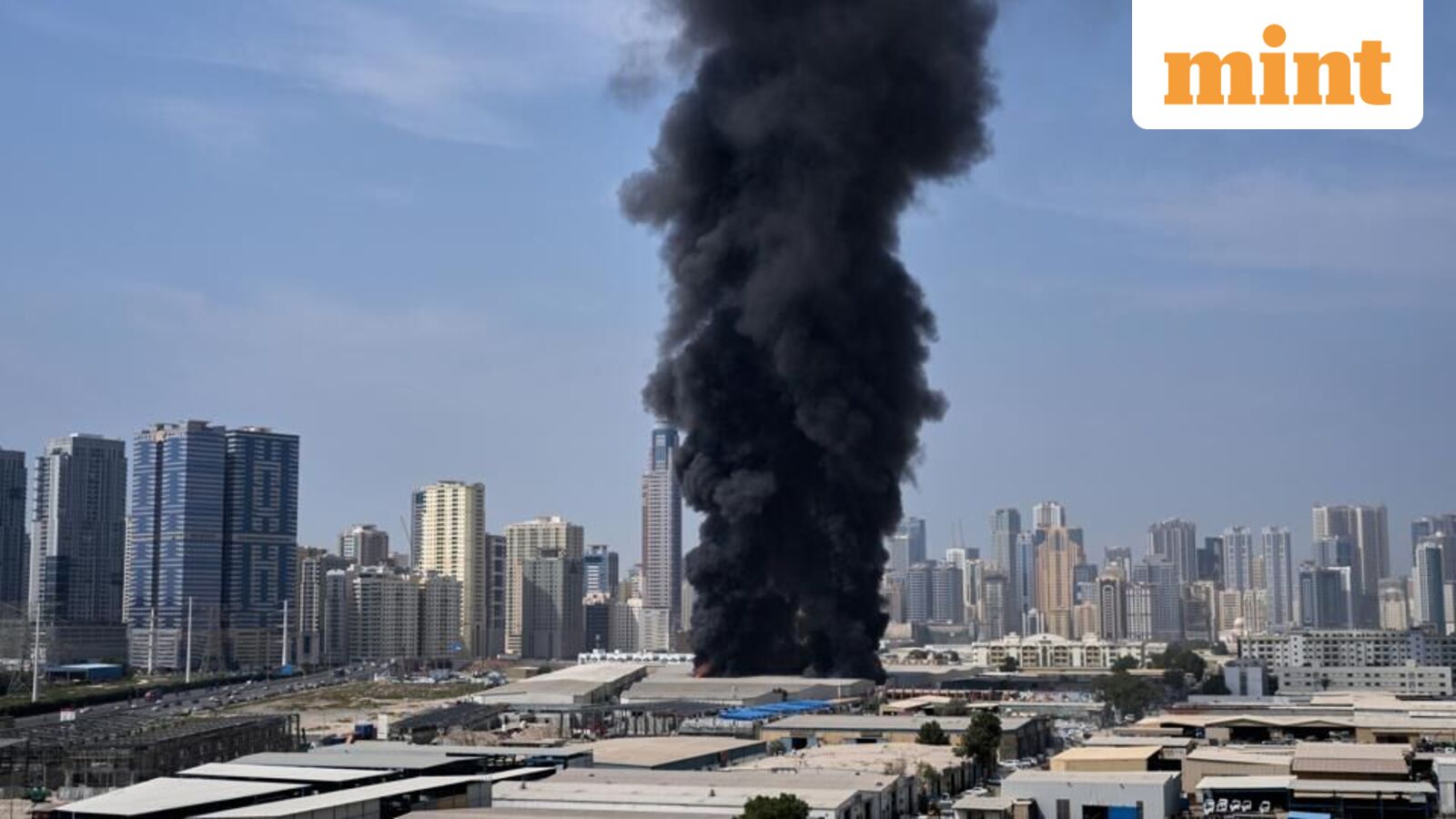
Dubai and Abu Dhabi reportedly faced hundreds of missiles and drone attacks from Iran since Saturday morning, as Tehran retaliated against US-Israeli airstrikes.
Most of them were intercepted, yet there were some reports of casualties and damage to multiple areas in both cities.
The attacks led to panic among residents and posed a huge threat to the UAE’s economy and status as a stable financial, logistics and tourism hub.
Meanwhile, the UAE’s two key stock markets will close on Monday and Tuesday to avoid a possible meltdown.
The US and Israel launched joint missile strikes — titled Operation Roaring Lion/Operation Epic Fury — on Iran on Saturday, February 28.
According to several reports, Iran retaliated and targeted the US facilities in Bahrain, the UAE and other neighboring Gulf nations in its retaliatory action.
Explosions were reported in Tehran and other major cities, with US President Donald Trump and Iranian state media claiming that Supreme Leader Ayatollah Ali Khamenei was killed in the strikes, alongside his daughter, grandson, daughter-in-law, and son-in-law.
Meanwhile, the United Arab Emirates Ministry of Defense announced that the air force and air defense forces successfully intercepted a significant number of aerial threats following a large-scale Iranian attack that commenced on February 28.
In a statement shared on
The UAE’s Foreign Ministry later said it had summoned Iran’s ambassador, Reza Ameri, and handed him a strongly worded letter protesting the Iran’s “terror” attacks on the country’s territories.
Sharing a post on

